

Reniform Nematode Management Guide
Proven Strategies Soybean Farmers Can Implement to Battle Reniform Nematode
While greater yield losses appear in cotton fields, reniform nematode (Rotylenchulus reniformis) is found in many soybean production regions of the southern U.S, causing more than 10% yield loss in individual fields and costing farmers millions in revenue.
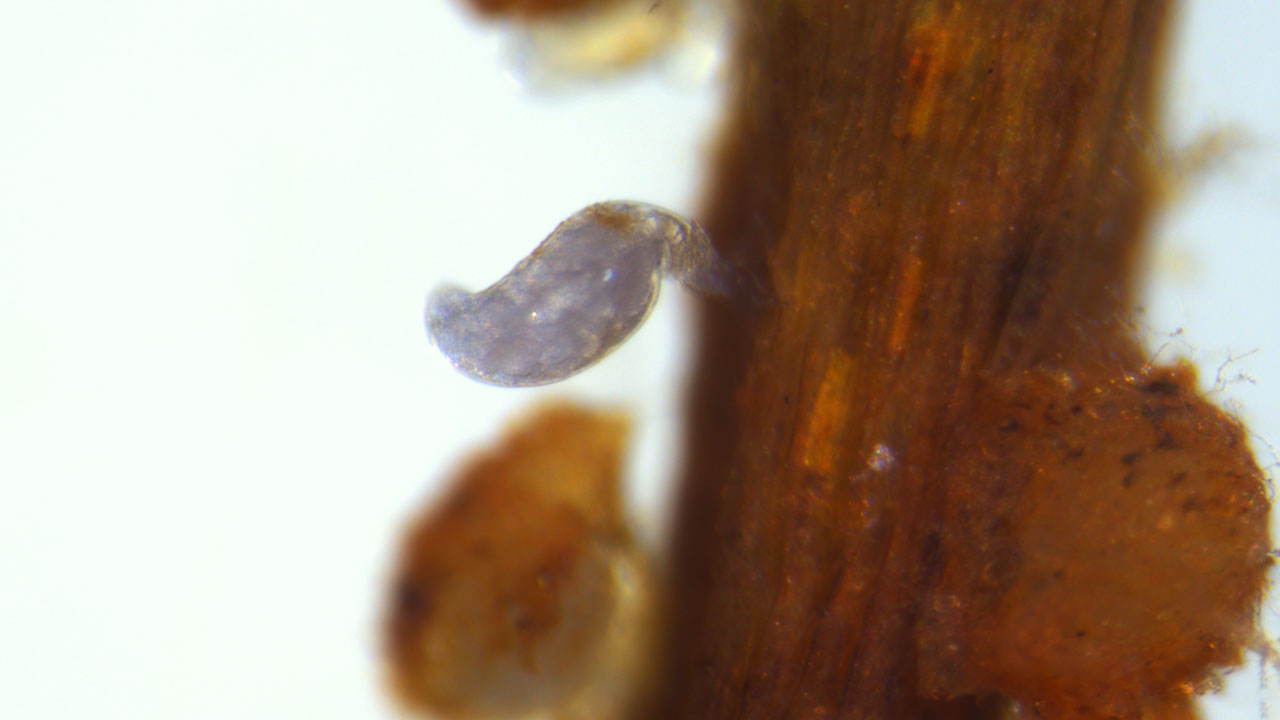
The bad news?
Once a field is infested with reniform nematode, it’s impossible to eliminate it.
The good news?
This guide will help you determine whether you have reniform nematode infestations, tailor a management strategy for your farm, and recover lost yield potential.
Reniform Nematode 101: Biology and Reproduction
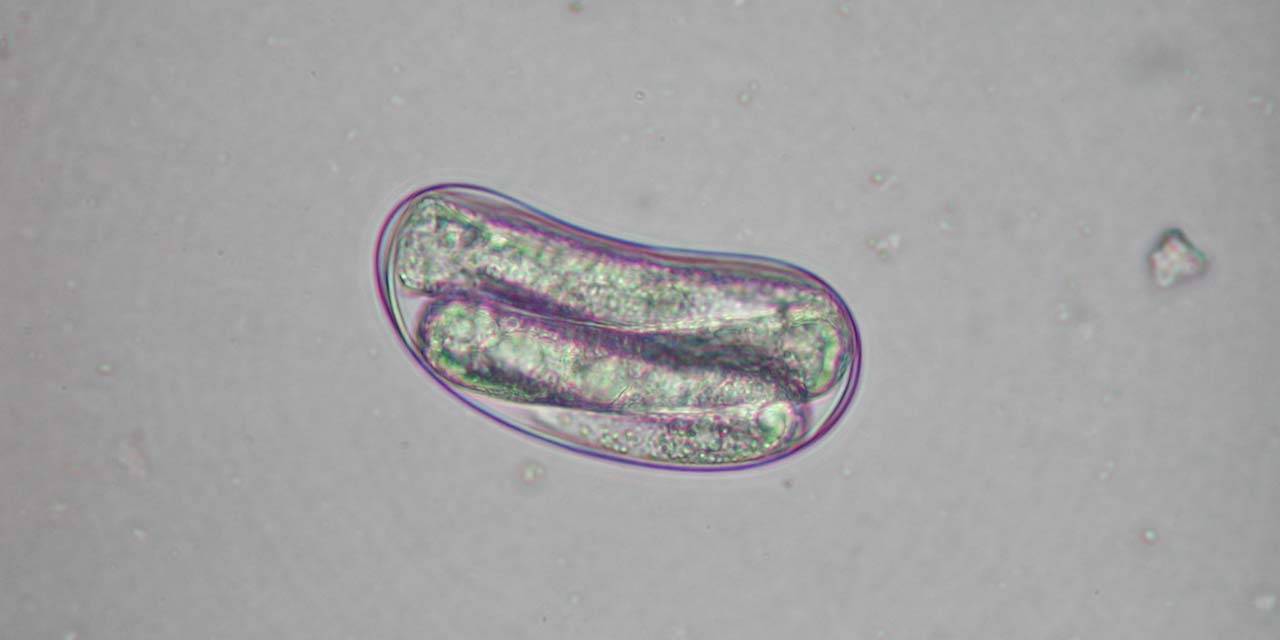
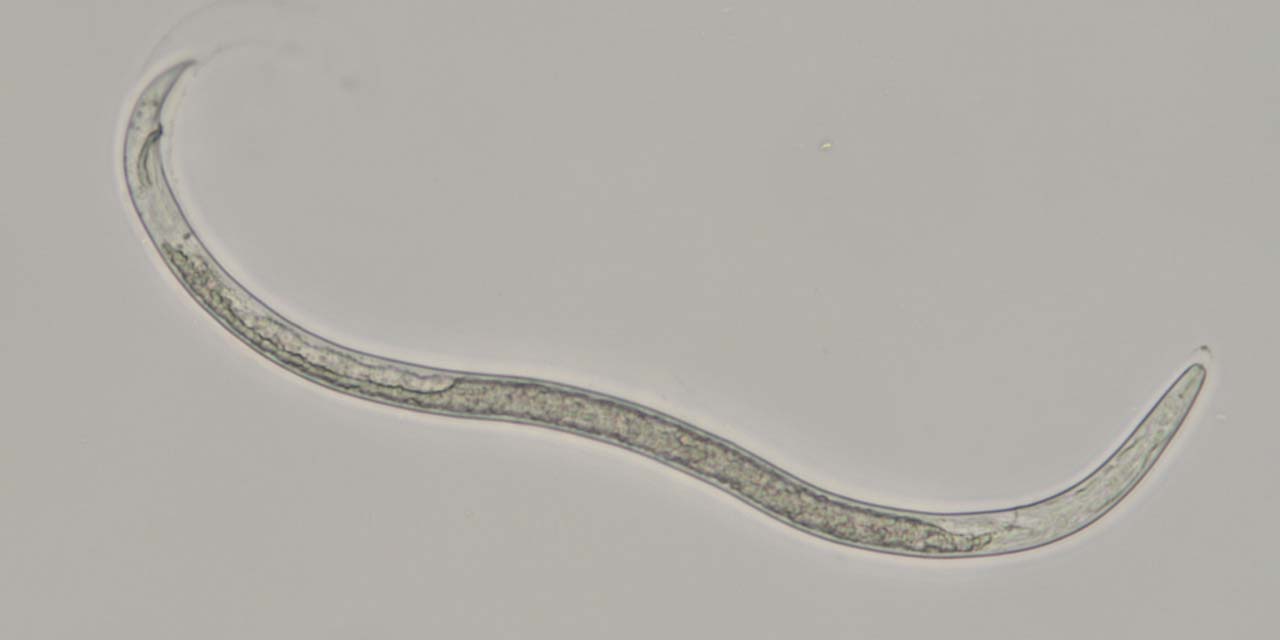
After mating, females produce dozens to several hundred eggs in a gelatinous matrix outside the root, surrounding the posterior portion of the female’s body. Under favorable conditions, the reniform nematode can complete its life cycle in about 17–23 days, resulting in multiple generations during a single growing season.
Even in the absence of a host, reniform nematode populations can survive between crops primarily as eggs and vermiform life stages in the soil. Survival can extend for prolonged periods under favorable conditions, allowing populations to persist and spread between fields through the movement of infested soil, water, equipment or footwear.
How to Spot Reniform Nematode: Signs and Symptoms
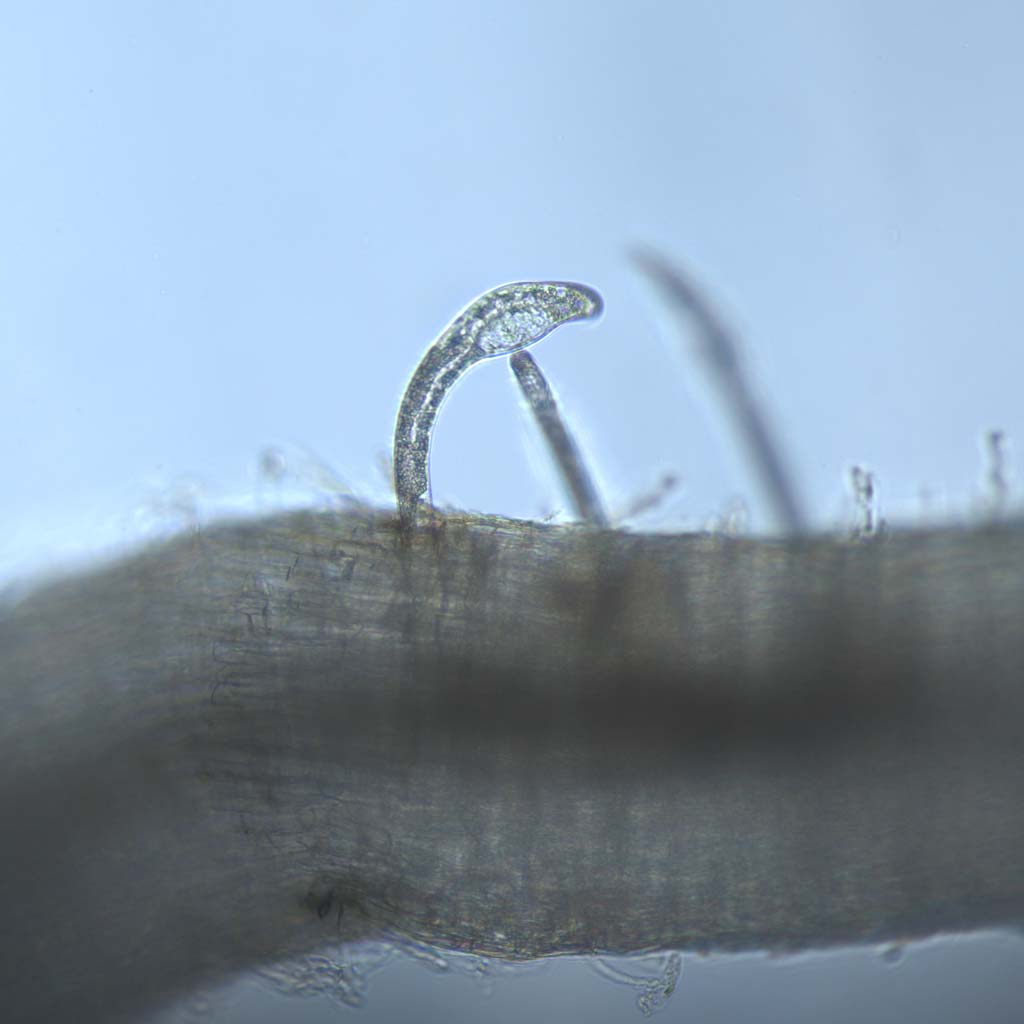
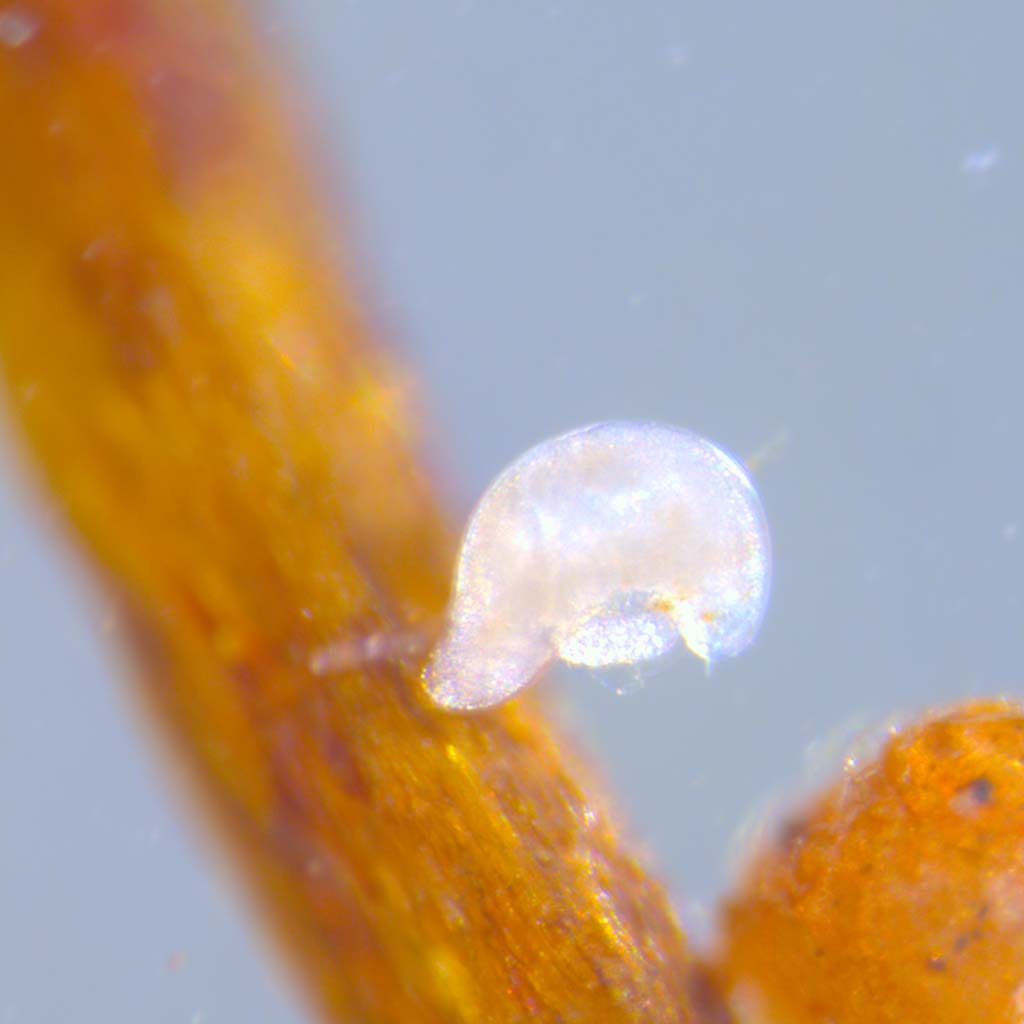
Visible symptoms of reniform nematode vary and are usually subtle, making soil sampling the most reliable method for detecting and managing this pest. Infected plants may have smaller root system, but unlike other nematode species, roots often appear normal even when reniform nematode populations are high.
Sometimes small clumps of soil can be seen adhering to the root surface, which result from soil particles sticking to the females’ gelatinous egg masses.
Aboveground symptoms may appear as irregular patches of stunted plants with reduced pod count but are often misdiagnosed as abiotic stresses, including nutrient deficiencies or drought.
How to Manage Reniform Nematode
As reniform nematode infection intensifies, damage to the root system can reduce water and nutrient uptake, increasing plant susceptibility to drought stress and secondary biotic (i.e., pathogens and pests) stresses. Once the crop is planted, there are limited in-season options to reduce yield loss from nematodes. However, a predictive soil test during or shortly after the season can reveal what long-term management strategies you should implement in subsequent seasons.
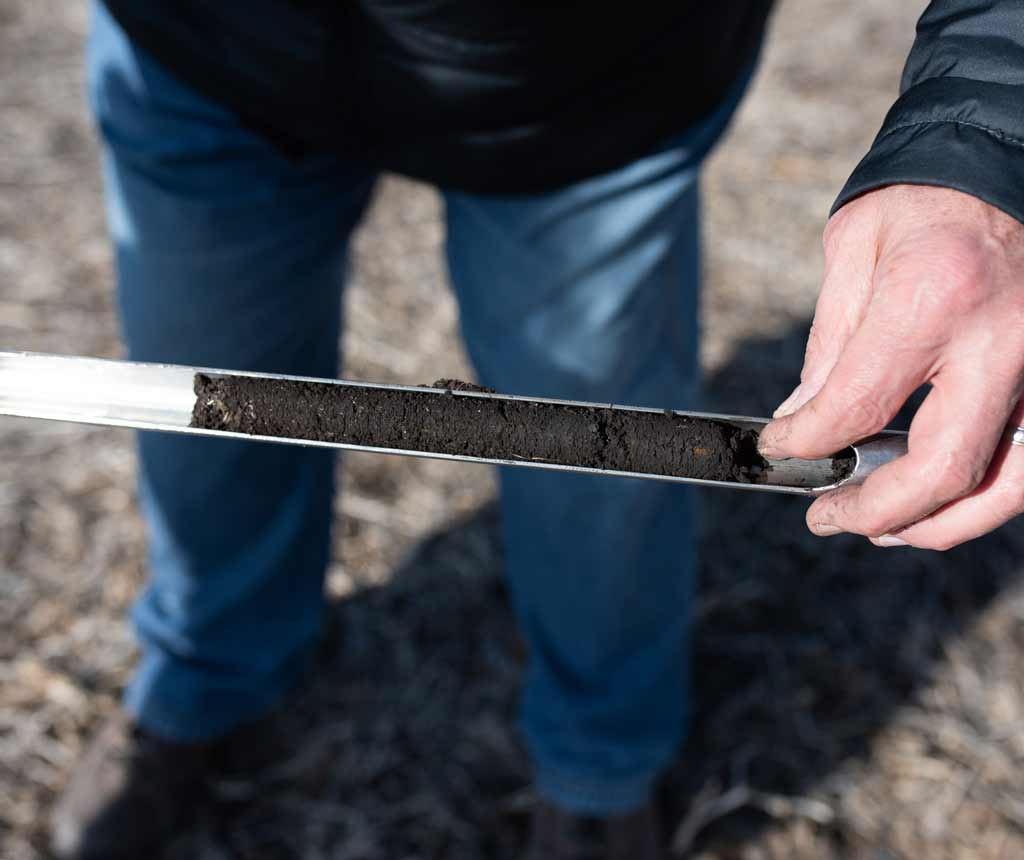
Start With a Soil Test
Step 1
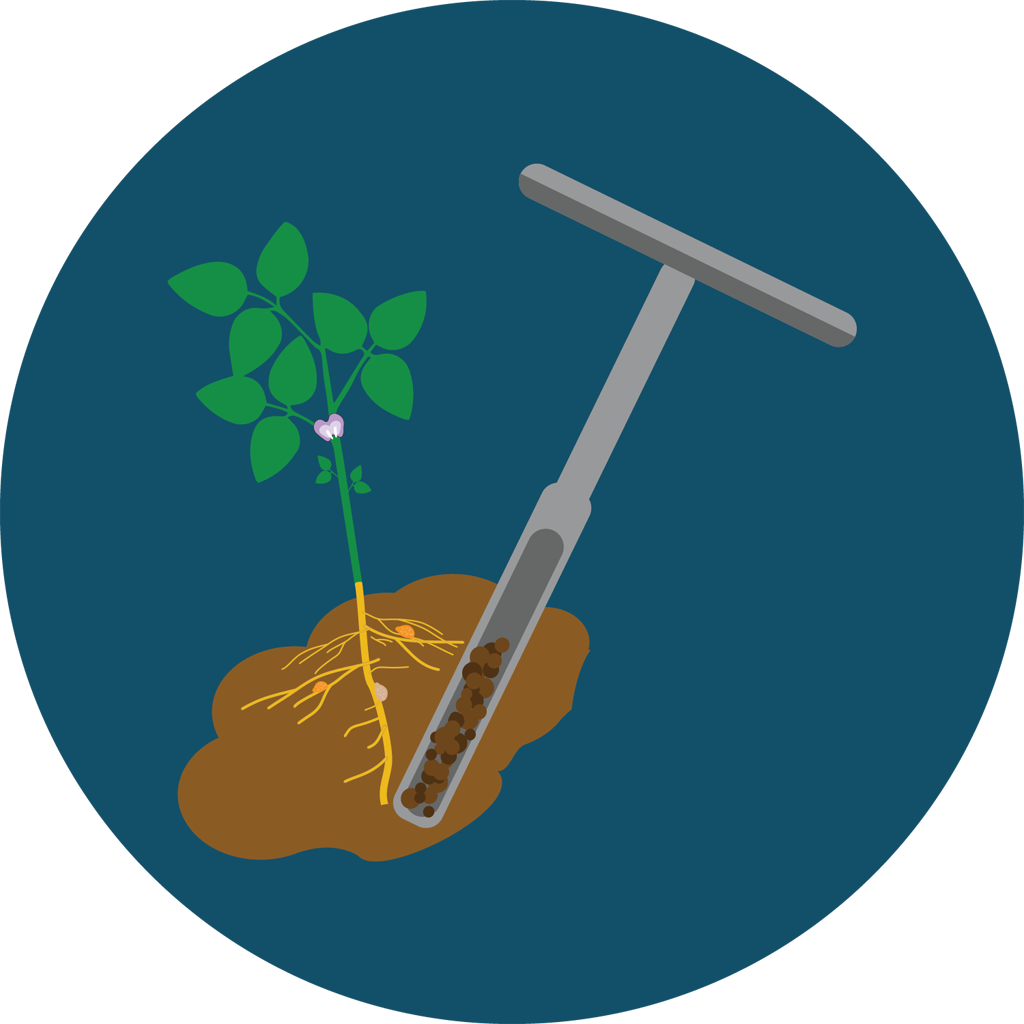
Use a cylindrical soil probe at a slight angle to collect soil samples. Samples should be taken in the root zone at the base of the plant.
Step 2
Collect soil cores to a depth of at least 6 inches, preferably 8 to 10 inches if soil conditions allow.
Step 3
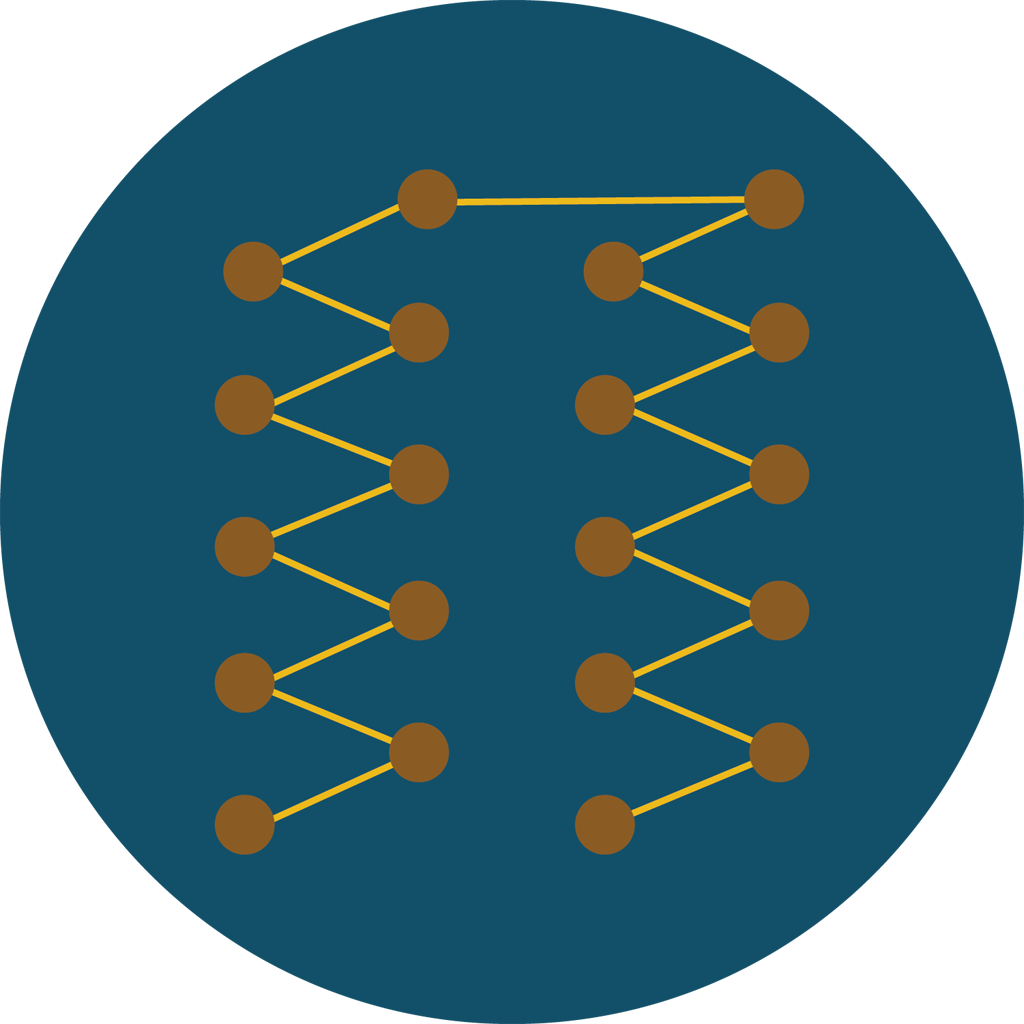
Collect 10 to 20 soil cores that are 1-inch-diameter in a zigzag or “W” pattern across the entire area to be sampled.
Step 4
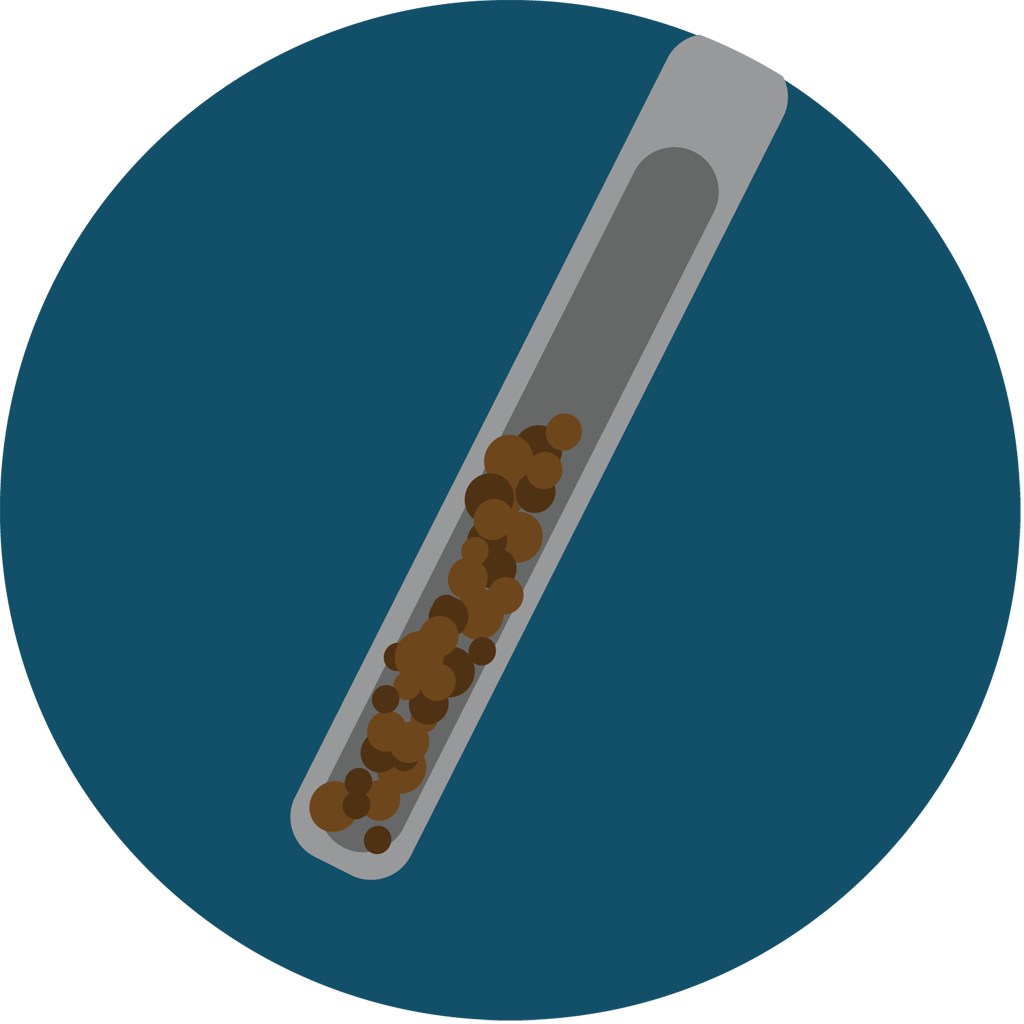
Collect 30 to 40 soil cores (subsamples) from 10-20 acres of similar conditions (soil texture, cropping history, etc.). If different soil textures occur in the same field, sample them separately.

Step 5
Bulk the cores in a container (bucket) and mix. This will represent a composite sample for the area.
Step 6
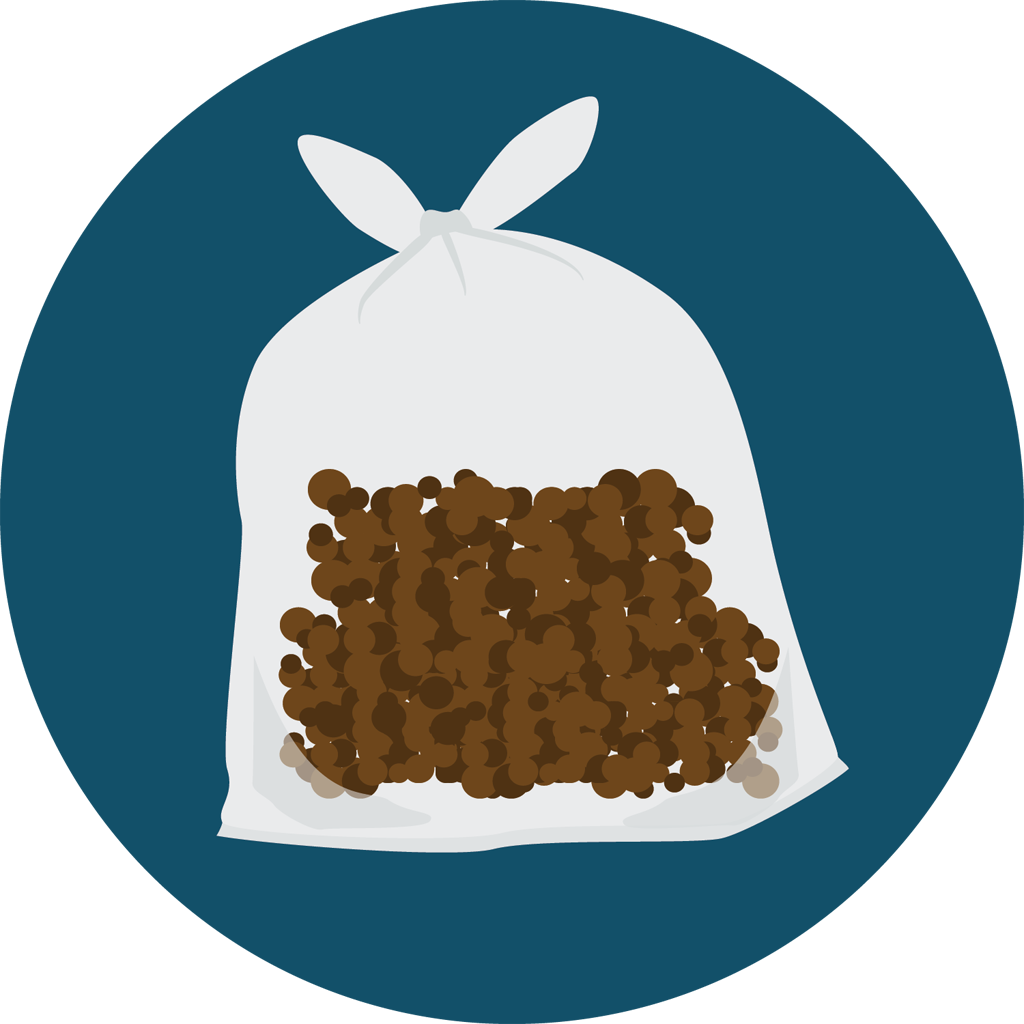
Place a homogenized composite soil sample (2 cups or 500 ml in volume) in a plastic bag and label it with a permanent marker.

Step 7
Store the sample away from direct sunlight in a cool area or ice chest until it is shipped to the laboratory. Be sure to provide full and accurate field history information as requested by the diagnostic laboratory.
Interpret Your Soil Test Results
Implement Reniform Nematode Management Solutions
With options like crop rotation, nematode-protectant seed treatments, and other agronomic or cultural practices available — identifying the combination of strategies that best fits your operation is key to effective nematode management.
Crop Rotation
Although you cannot eliminate its presence, rotating to non-host crops for at least one year can reduce reniform nematode populations by 60-90%. Soybean and cotton are good hosts, while non-hosts include corn, grain sorghum, peanuts and cover crops like wheat, cereal ryegrass or oats.
Caution: The southern root-knot nematode (Meloidogyne incognita) can infect most rotation crops except peanut, so it’s important to identify which nematode species are present before planning rotation sequences.

Resistant Soybean Varieties
When available, resistant varieties can help reduce yield losses and improve profitably in nematode-infested fields. Resistance is species-specific, and resistance to one nematode species does not imply resistance to other nematode species. Most commercial soybean varieties currently lack resistance to reniform nematode, although breeding efforts to develop resistant varieties are ongoing.
Some cotton varieties have resistance to the reniform nematode. These varieties can lower reniform populations before planting a subsequent soybean crop, thus limiting yield losses.
Weed Management
Reniform nematodes can survive and reproduce on several weed species that are common in the southern U.S. Weeds can maintain or even increase reniform nematode populations both during the cropping season and fallow periods. Thus, effective weed control throughout and between cropping cycles is critical.
Nematode-Protectant Seed Treatment
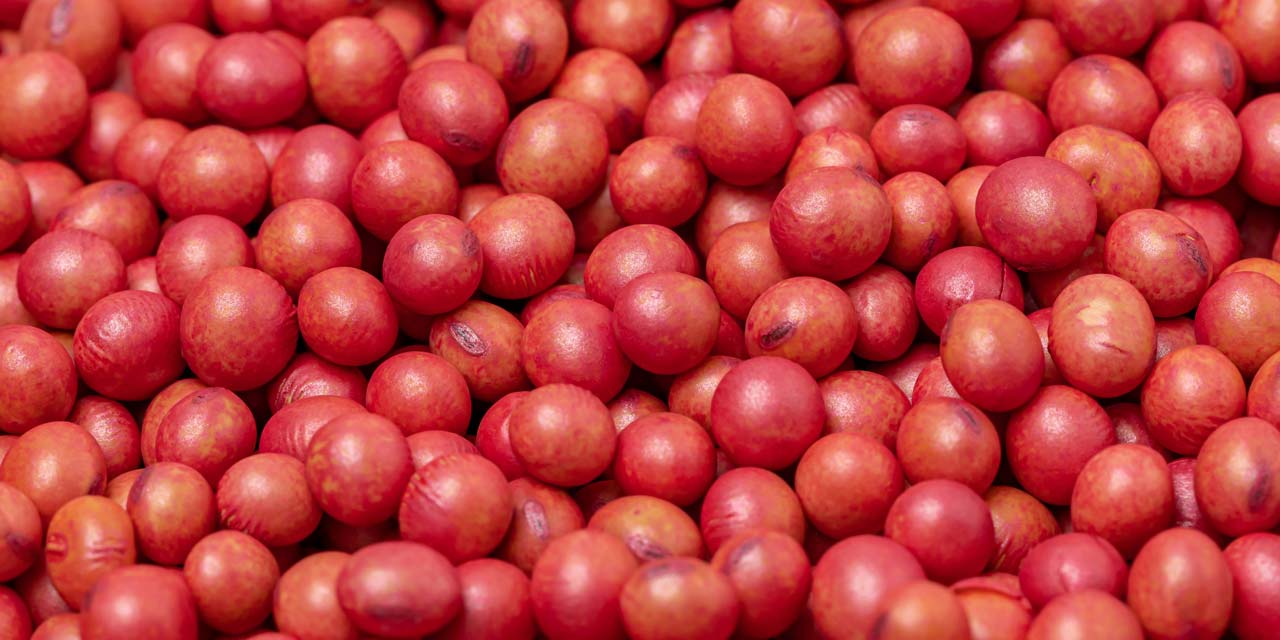
Nematode-protectant seed treatments do not provide season-long control but can offer partial early-season protection, especially in fields with low to moderate nematode populations and when integrated with host plant resistance.
Some conventional or biological nematicides are labelled for in-furrow use in soybean, but efficacy varies. Compared with seed-applied treatments, soil-applied nematicides with the same active ingredient often provide broader root-zone coverage, which can improve root protection under certain conditions although yield responses are variable.
Other Cultural Practices
Soybean plants that are grown in well-drained soils with balanced fertility often produce more robust root systems that tolerate nematode feeding. Additionally, avoid soil compaction that limits root growth and manage irrigation to prevent prolonged waterlogged soils that can reduce root growth.
Cotton regrowth after harvest is common and can sustain a reniform nematode population, but crop termination by tillage will eliminate potential nematode reproduction during the fall months.
Download Your Reniform
Nematode Management Guide
View Our Other Management Guides