

Root-Knot Nematode Management Guide
Proven Strategies Soybean Farmers Can Implement to Battle Root-Knot Nematode
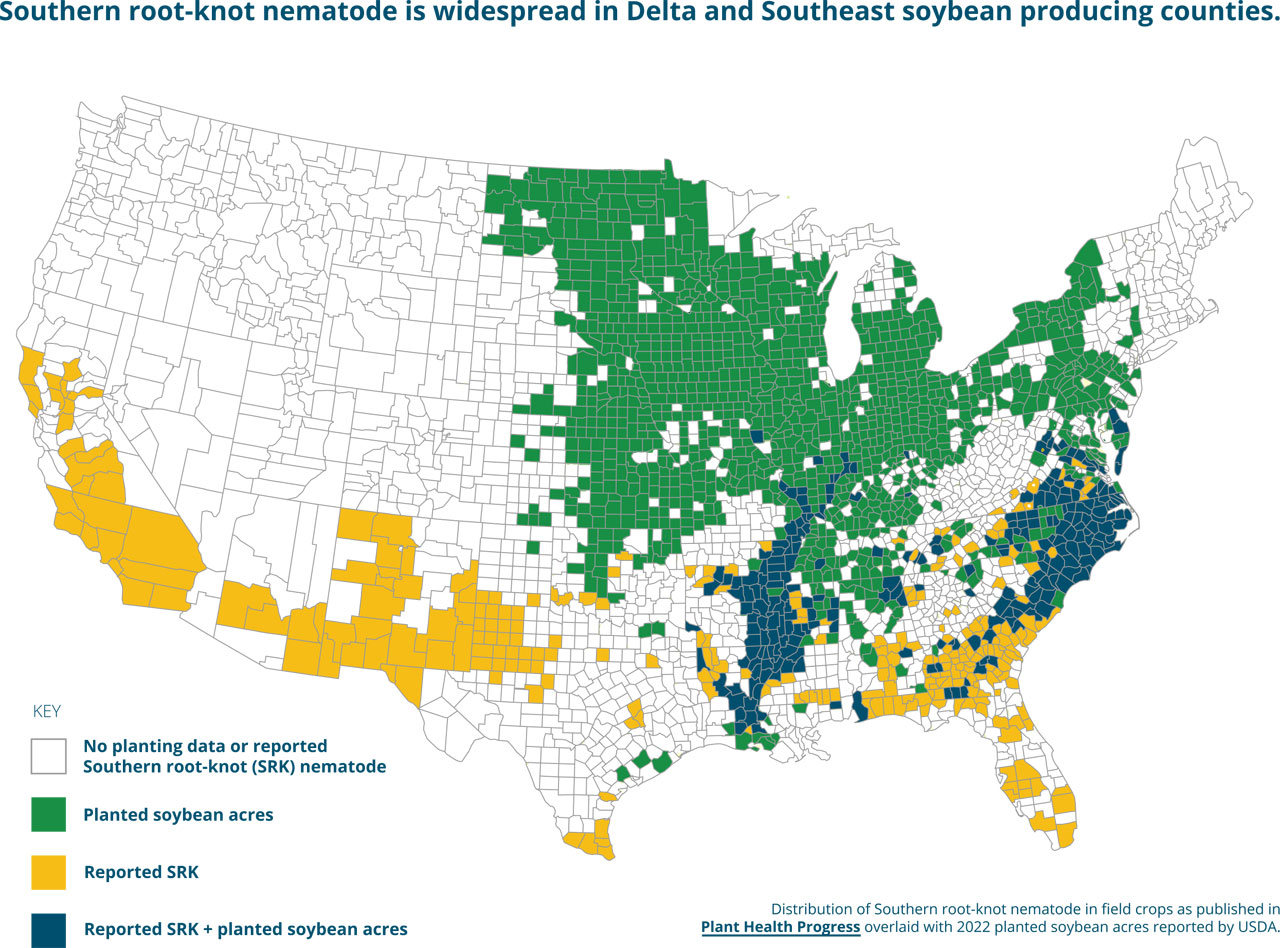
Found in most soybean-growing regions in the U.S., root-knot nematode (RKN) causes up to 25% yield loss, costing farmers millions in revenue. When high RKN pressure coincides with stressful environmental conditions such as drought, yield reductions can become even more severe.
The bad news?
Once a field is infested with RKN, it’s impossible to eliminate it.
The good news?
This guide will help you determine whether you have RKN infestations, tailor a management strategy for your farm, and recover lost yield potential.
Root-Knot Nematode 101: Biology and Reproduction
Found in the genus Meloidogyne, RKN are soilborne, microscopic roundworms that feed on and damage soybean roots. These plant-parasitic nematodes need a living host to complete their life cycle, typically lasting 21 to 30 days.
A single RKN female can lay several hundred eggs in an egg mass that is deposited on the root surface. With many RKN females in a field and a short lifecycle, population can build up rapidly – leading to multiple damaging generations in one growing season.
Even if conditions are unfavorable, RKN eggs can overwinter in the soil for several years until the right environment or host returns. Meaning even low levels of RKN can reduce yield potential.
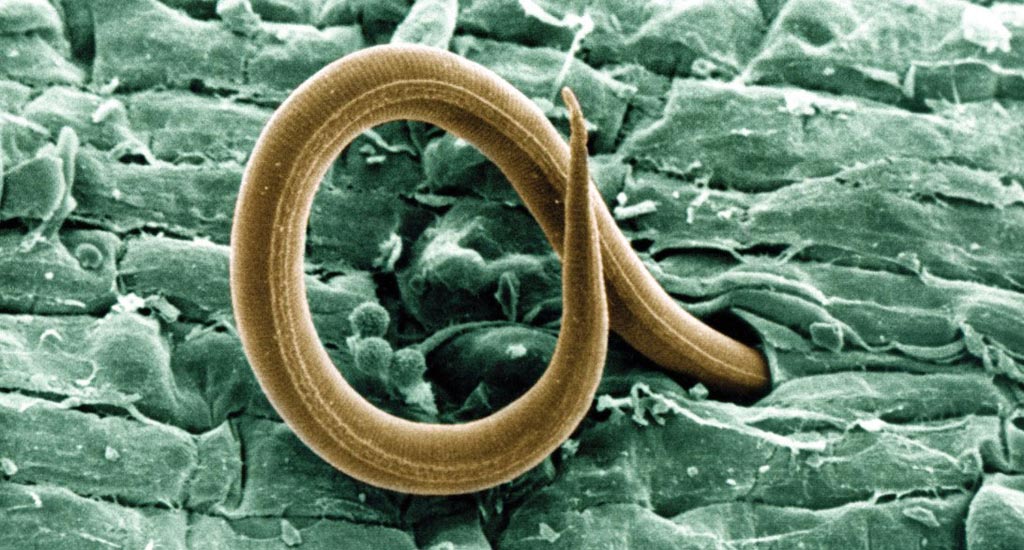
How to Spot Root-Knot Nematode: Signs and Symptoms
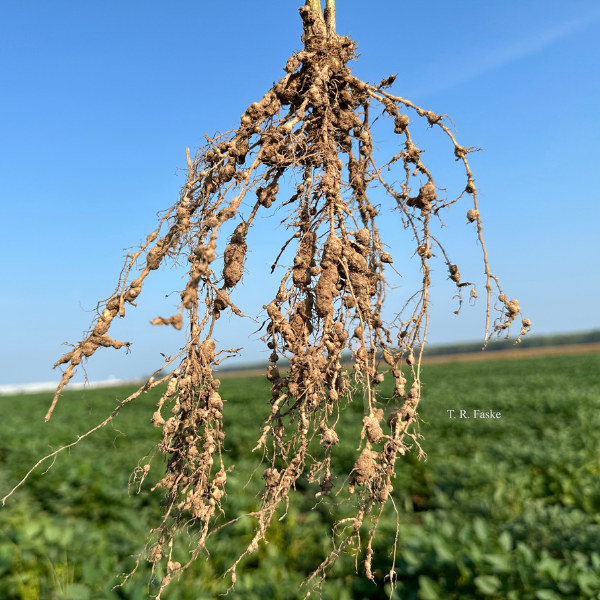
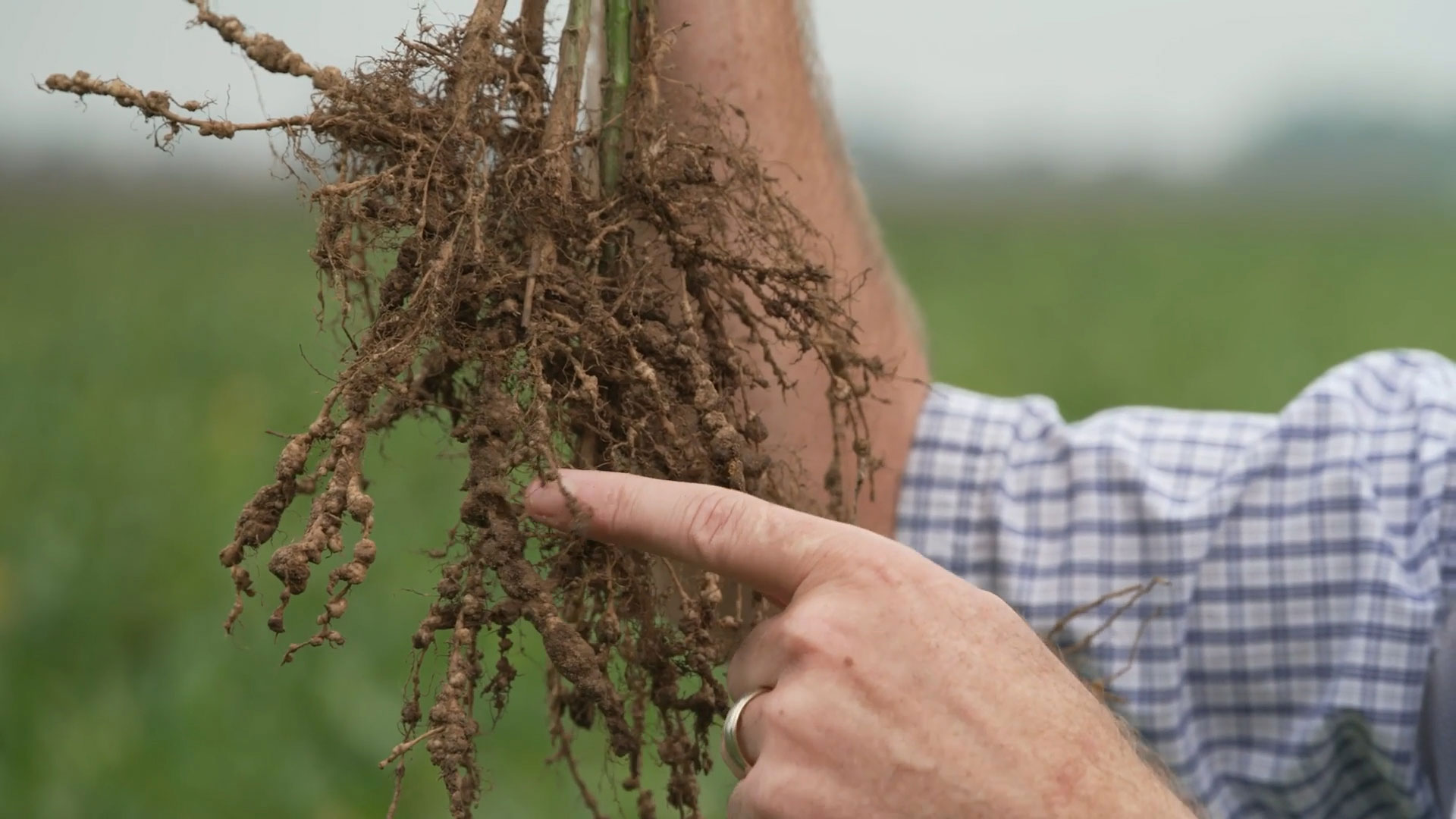
A unique symptom of RKN infection is the formation of galls caused by adult females embedded within root tissue. Small root galls become visible 30-35 days after plant emergence, with early galls forming internally and are not detachable.
While gall size and number vary with infection severity, root galls limit the plant’s ability to absorb and transport water and nutrients. When numerous galls coalesce, entire roots can swell — further reducing yield potential.
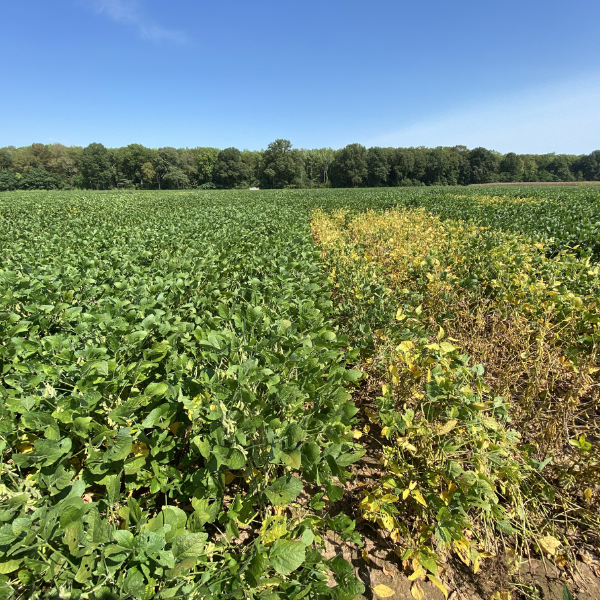
Aboveground symptoms include stunted, yellowing plants that typically appear in irregular patches or “hot spots” — often where there’s sandy soil. Infected plants may also exhibit symptoms of nutrient deficiencies, wilt despite adequate soil moisture, or die prematurely.
How to Manage Root-Knot Nematode
Once the crop is planted, there are no in-season options to manage nematodes. However, a post-harvest soil test — when nematode populations are most abundant — can reveal what long-term management strategies you should implement in subsequent seasons.
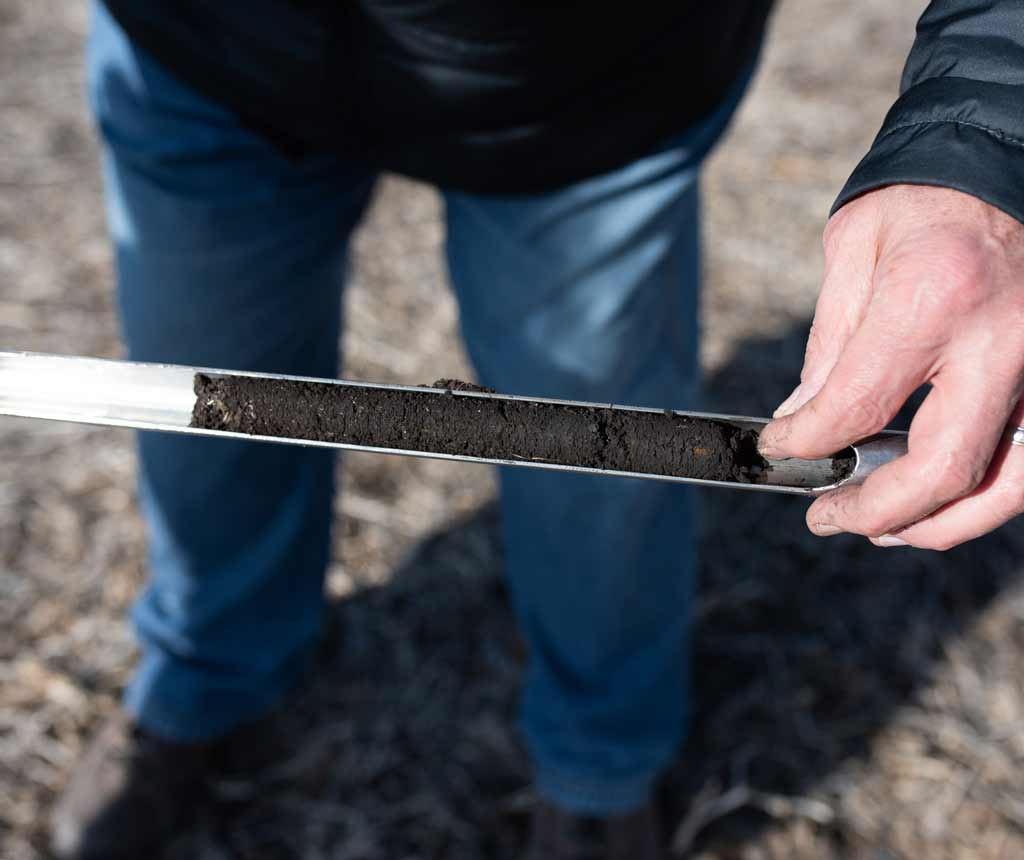
Start With a Soil Test
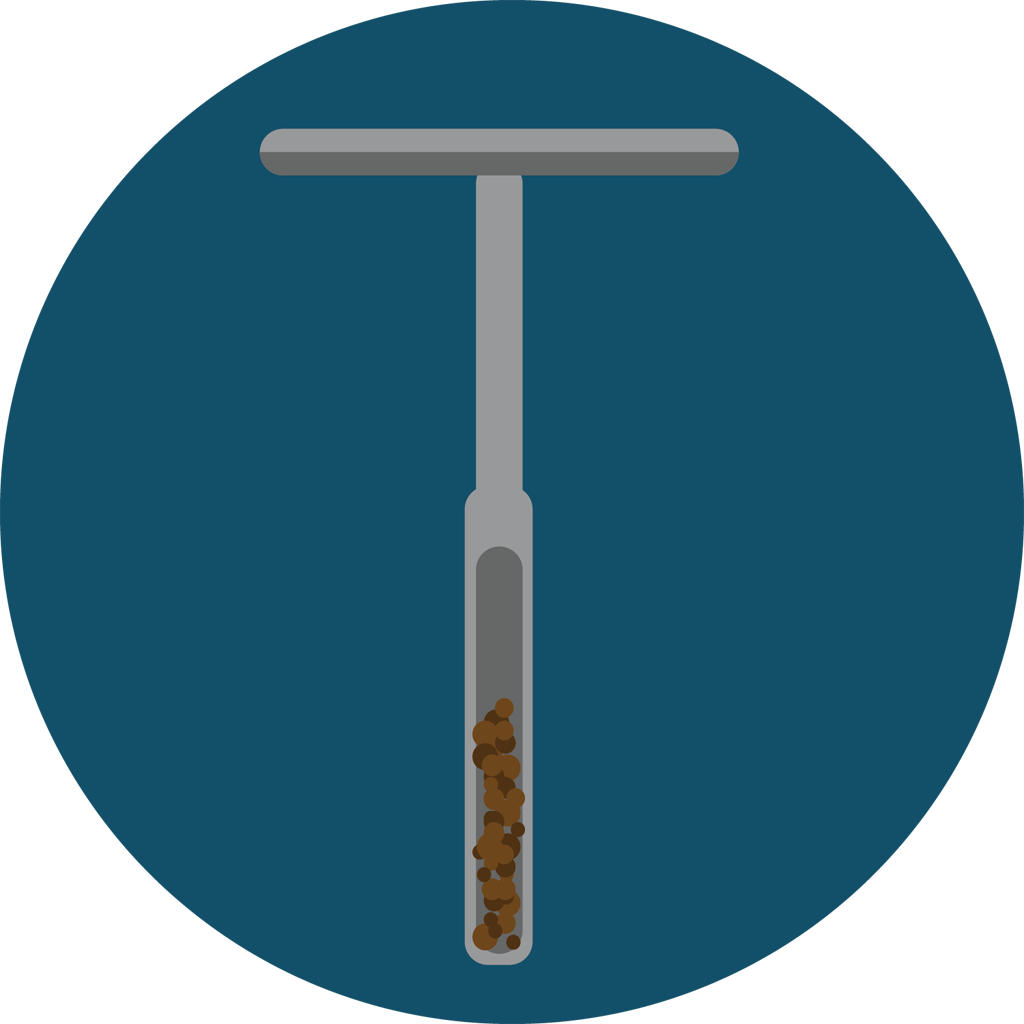
Step 1
Use a cylindrical soil probe to collect soil samples. Samples should be taken in the root zone.
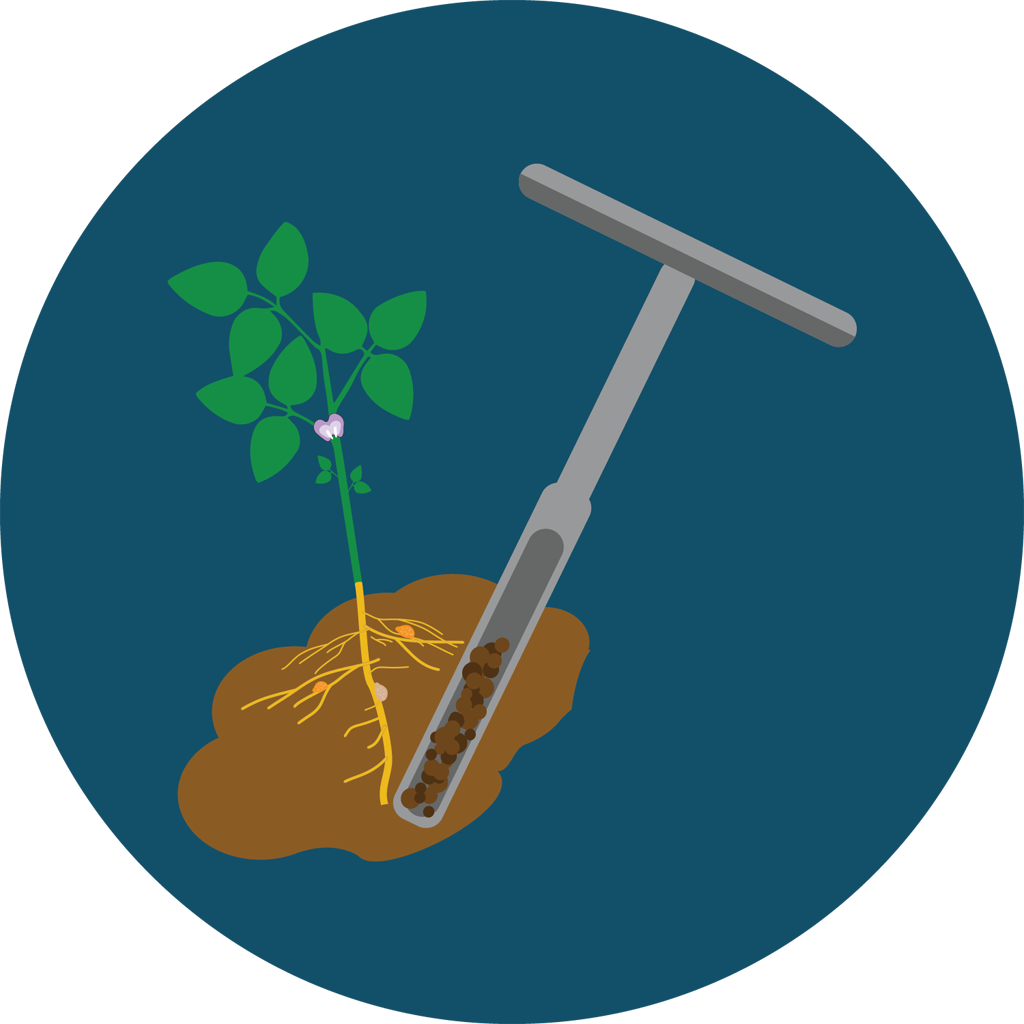
Step 2
Collect soil cores to a depth of 6 to 8 inches.
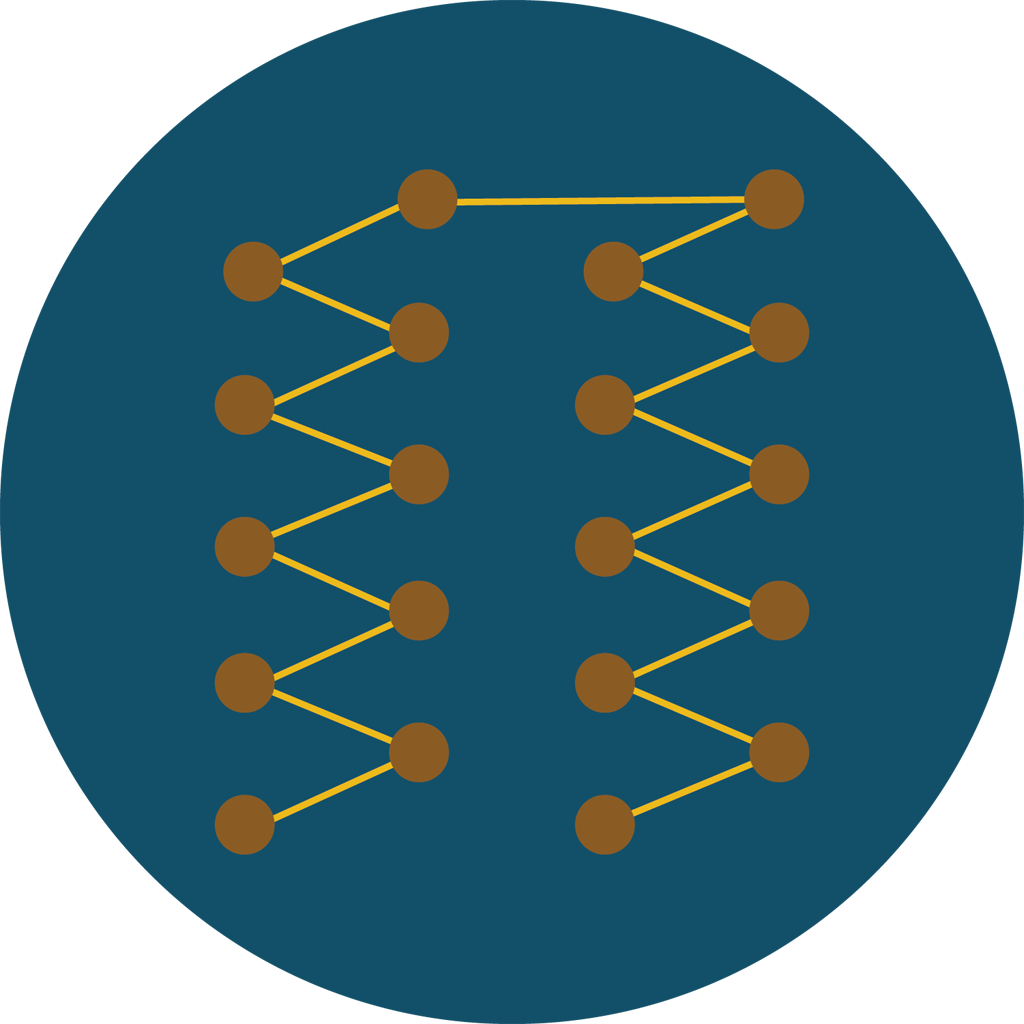
Step 3
Collect 10 to 20 soil cores that are 1-inch-diameter in a zigzag or “W” pattern across the entire area to be sampled.
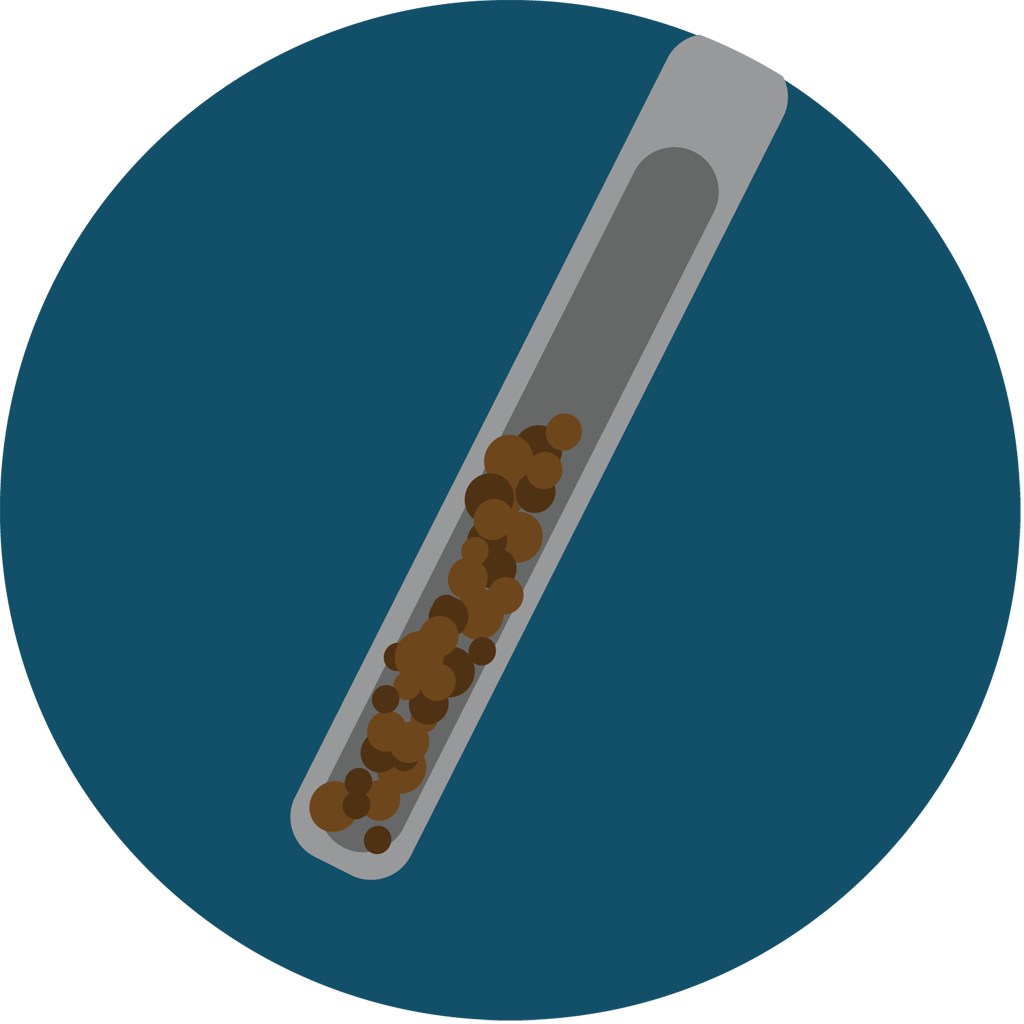
Step 4
Collect soil cores from areas of similar soil texture and cropping history. If different soil textures occur in the same field, sample them separately.

Step 5
Bulk the cores in a container (bucket) and mix.
Step 6
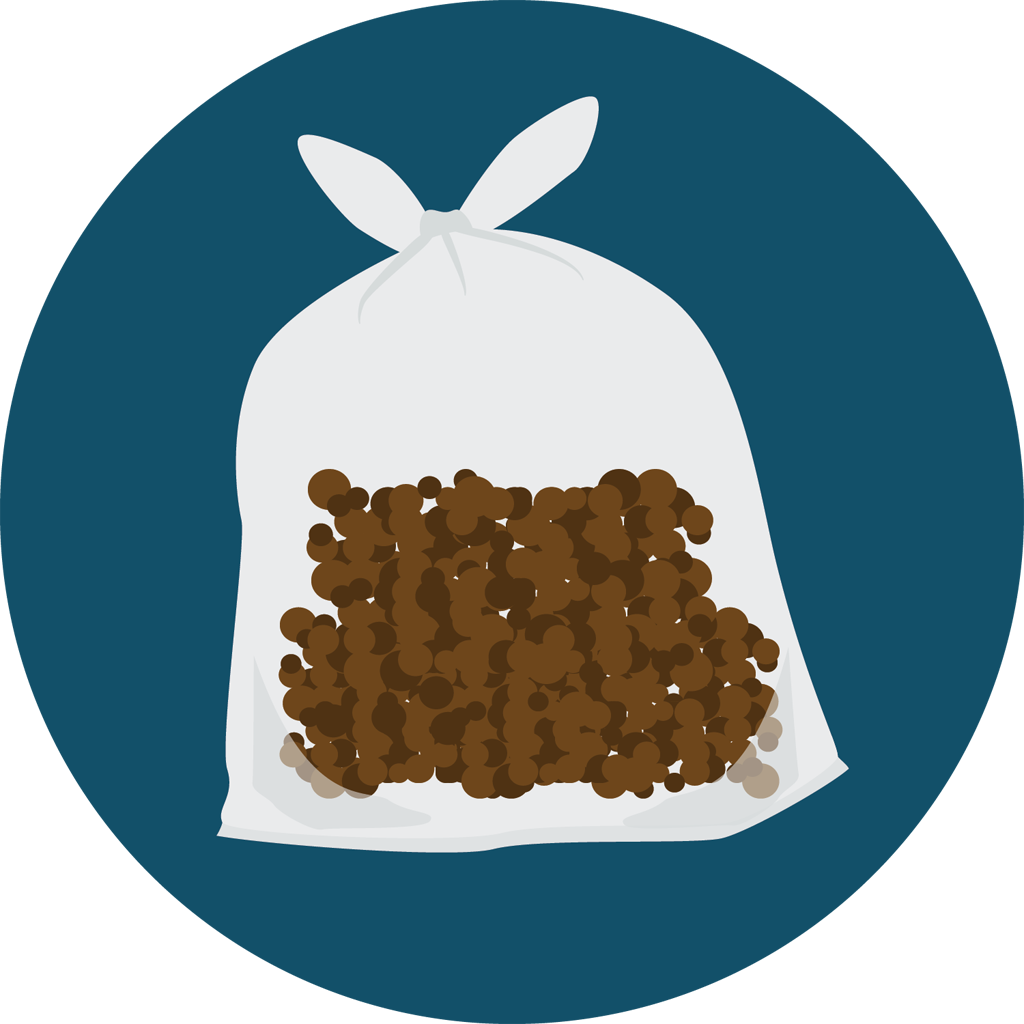
Place approximately one pint of mixed soil in a plastic bag and label the outside of the bag with a permanent marker.

Step 7
Store the sample away from sunlight in a cool area until it is shipped to the laboratory.
Interpret Your Results
To identify RKN species, submit root samples that clearly show galling symptoms. Be sure to consult with your local county agent, crop consultant, or extension nematologist to help interpret nematode thresholds and develop a management plan. For a deep dive on individual RKN species, click here or find soil testing near you.
Implement Root-Knot Nematode Management Solutions
Because RKN populations continue to adapt and overcome individual control measures, no single practice can effectively eliminate this pest. However, an integrated management approach can significantly reduce its impact. The key is identifying and implementing the combination of strategies that best fits your operation.
Resistant Soybean Varieties
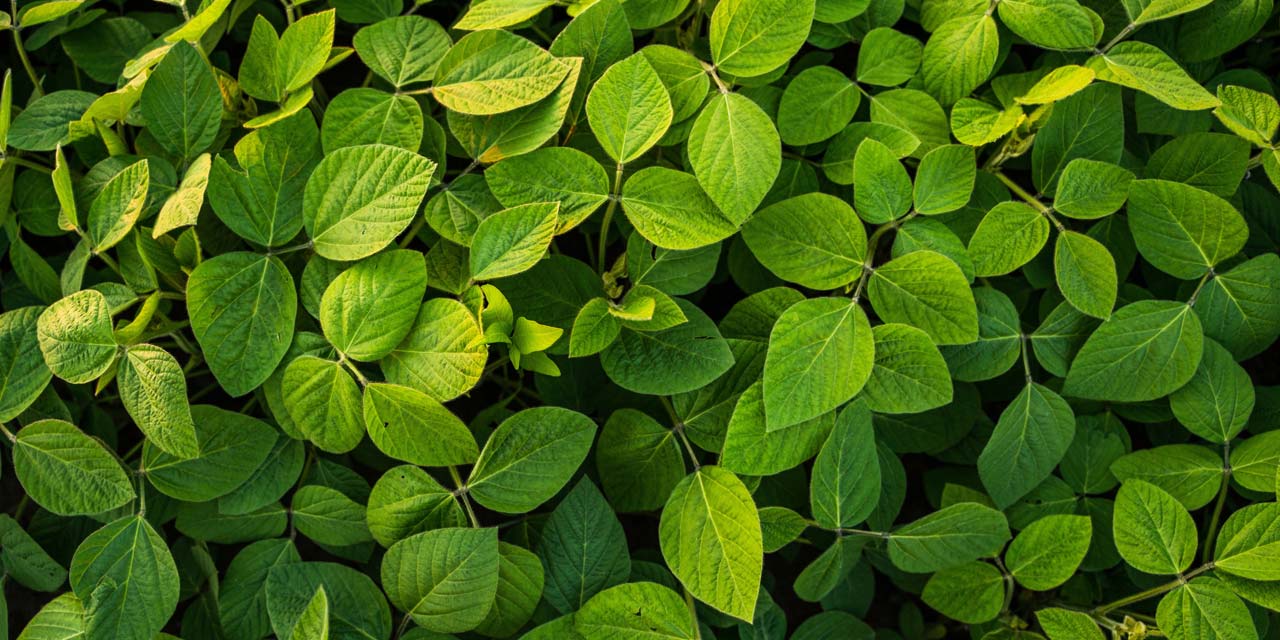
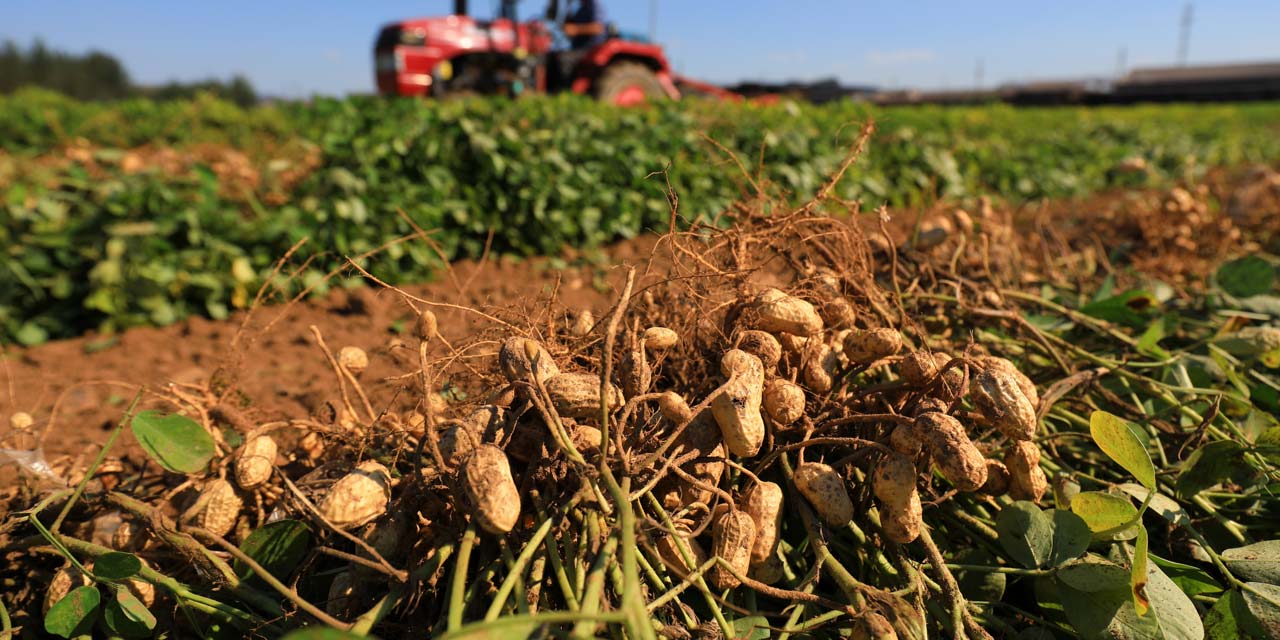
Resistant soybean varieties limit RKN reproduction, allowing farmers to grow soybeans profitably in infested fields. Resistance to one RKN species does not imply resistance to other RKN species, so knowing which species is in your field is key in managing population densities. RKN reproduction can still occur on resistant varieties, but root galling and yield impact are significantly reduced compared to susceptible varieties.
Crop Rotation & Cover Crops
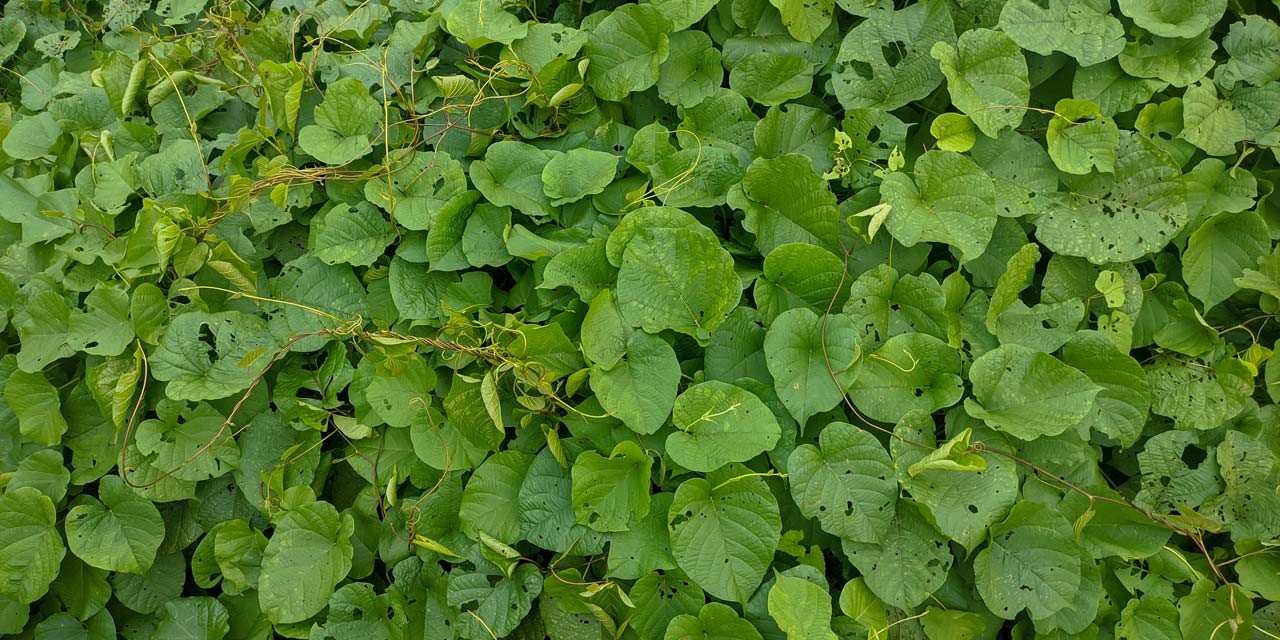
While no single cover crop will eliminate RKN, crop rotation produces several soil health benefits and can help reduce nematode pressure over time. Soybean yield can be reduced by several RKN species, each with its own host range. Identifying the species present is key to choosing effective nonhost rotation crops.
Weed Management
Several weed species (monocots and dicots) – including entire leaf morning glory, pink purslane, pitted morning glory, and some winter annuals – may support RKN reproduction even when root galling is not visible.
Nematode-protectant Seed Treatment
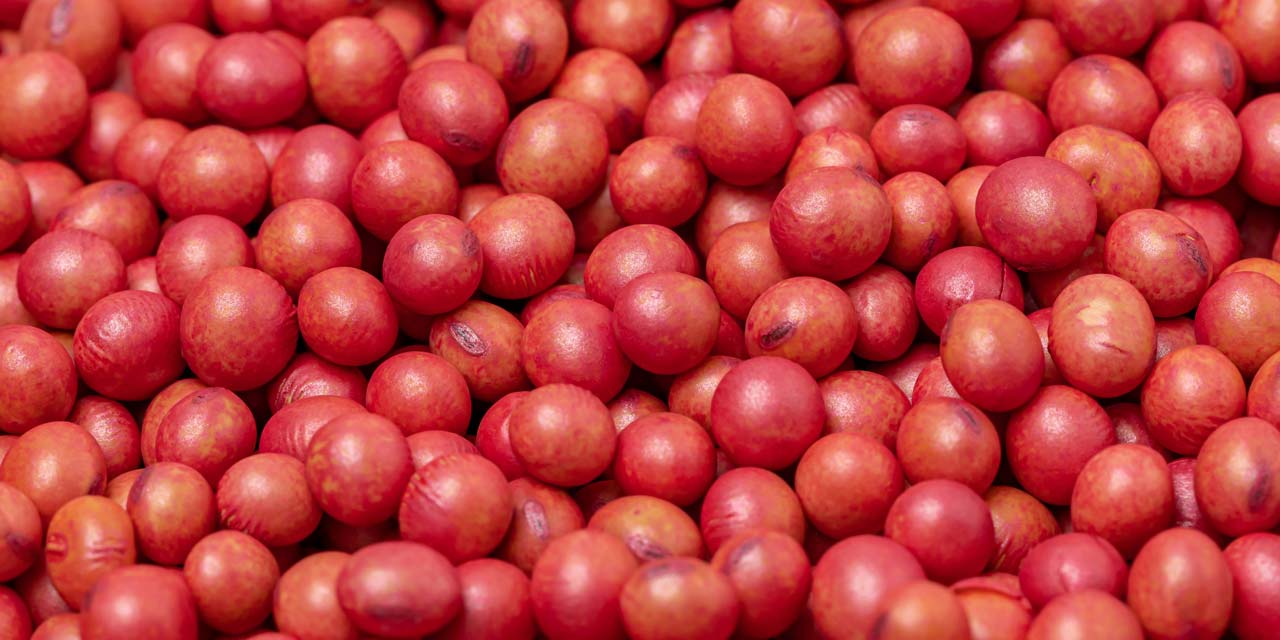
While nematode-protectant seed treatments do not provide season-long protection, they are used when host plant resistance is not available, or when multiple nematode species are present. Combine a seed-applied nematicide with an RKN-resistant variety, and you could gain suppression of additional nematode species like SCN, lance or reniform. Soil-applied nematicides also are available but have restrictions in some states.
Other Cultural Practices
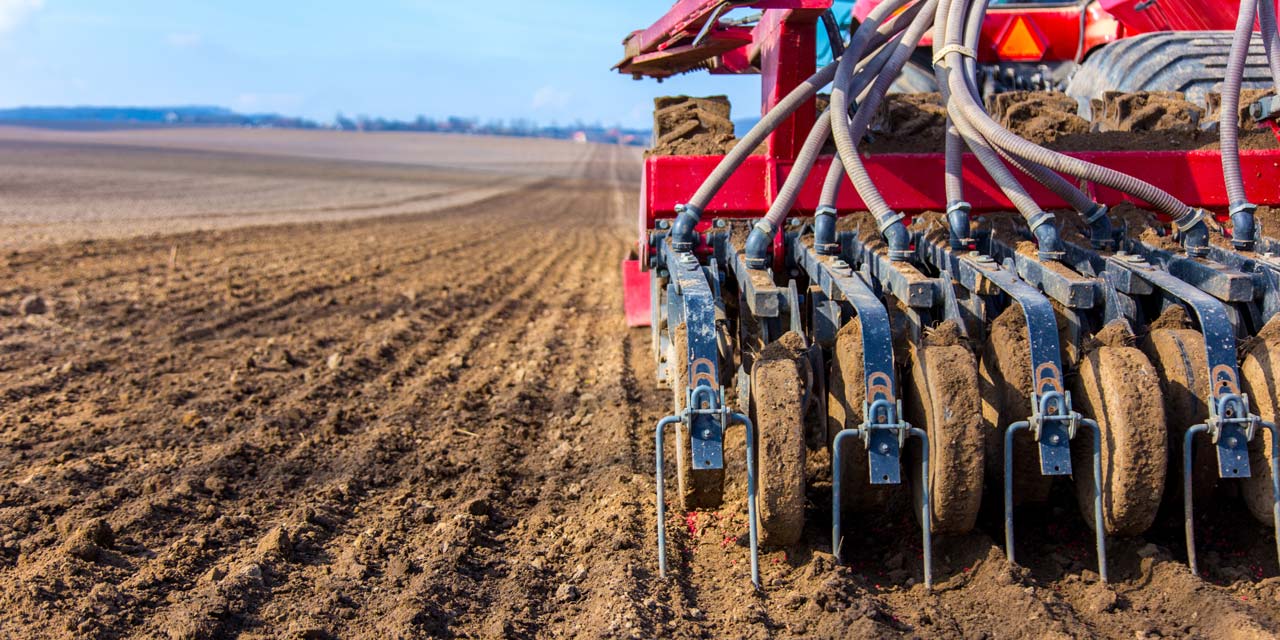
Although tillage does not directly reduce RKN populations, it can promote healthier roots that help soybeans better withstand RKN feeding and other soilborne diseases. Symptoms resembling nutrient deficiencies may also indicate RKN pressure, as yield losses are often greater in nutrient-deficient plants.
Download Your Root-Knot Nematode Management Guide
View Our Other Management Guides