

Root Lesion Nematode Management Guide
Proven Strategies Soybean Farmers Can Implement to Battle Root Lesion Nematode
The bad news?
It’s impossible to eradicate RLN from a field.
The good news?
This guide will help you determine whether you have RLN infestations, tailor a management strategy for your farm and achieve your yield goal.
Root Lesion Nematode 101: Biology and Reproduction
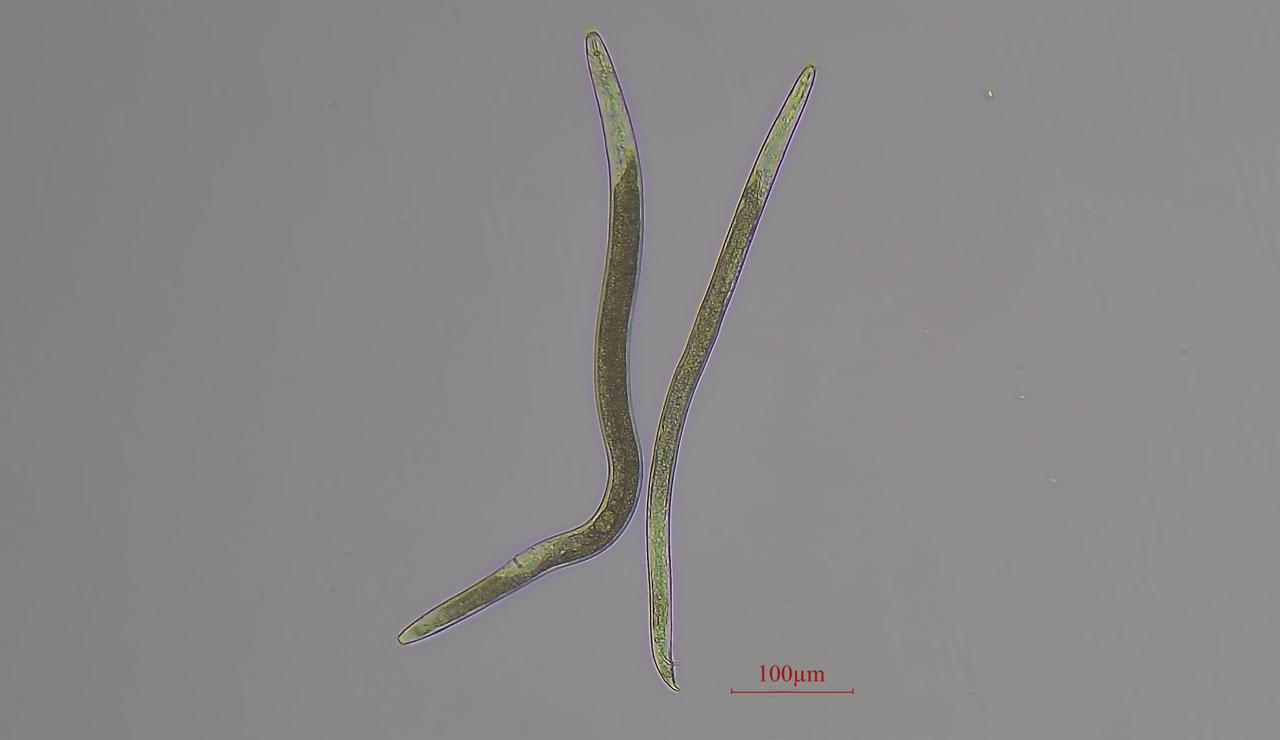
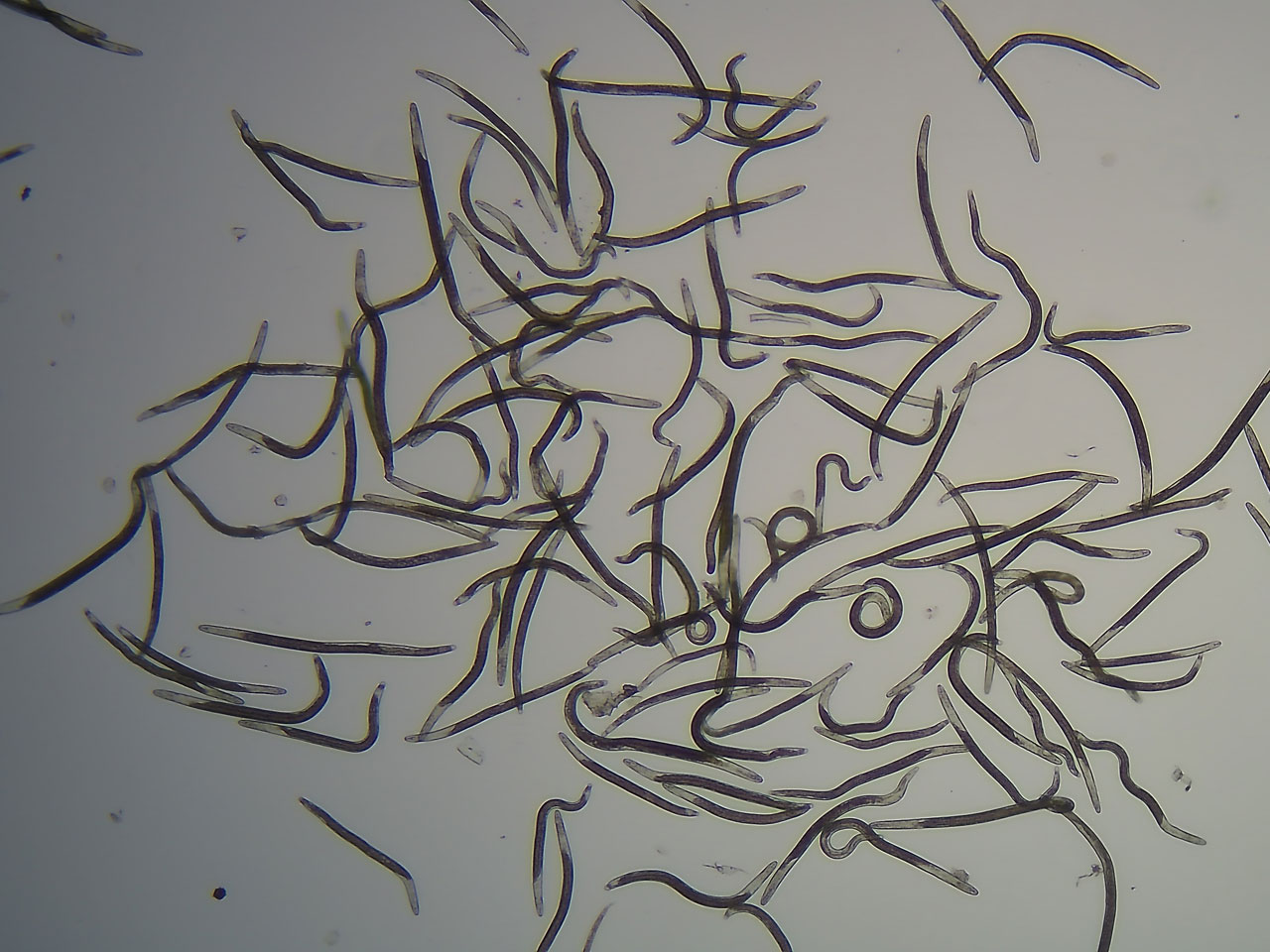
RLN refers to a group of more than 100 microscopic nematode species in the genus Pratylenchus, with P. penetrans and P. brachyurus as the most important due to their impact on grain and specialty crops.
These plant-parasitic nematodes are highly adaptable and feed on roots both externally and internally. Unlike soybean cyst nematode (SCN), RLN remain worm-shaped or vermiform from the time they hatch as juveniles through adulthood, moving in and out of the roots to feed and lay eggs.
Multiple generations can develop within a single season, and all life stages are capable of overwintering and feeding on soybean roots, even before plants emerge. Plus, RLN has a broad host range that includes many weed species and rotational crops, allowing populations to persist and increase across years.
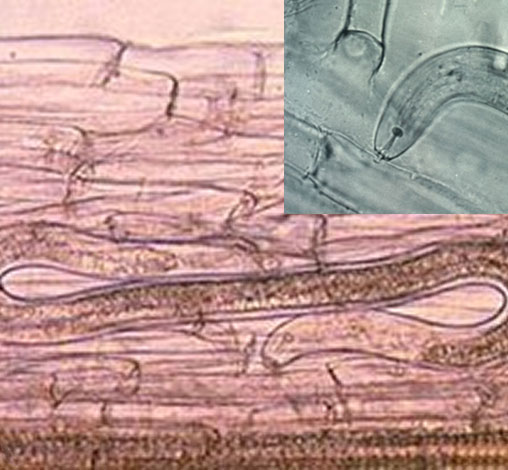
How to Spot Root Lesion Nematode: Signs and Symptoms
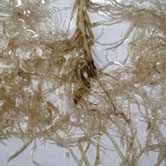
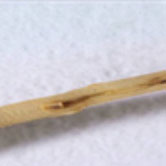
RLN get their name from the dark lesions they create on plant roots as they feed. While lesion severity depends on RLN species, these lesions eventually expand, coalesce and kill the root — further limiting yield potential. Aboveground, RLN damage may appear as patches of poor or uneven soybean growth across a field. Because visual symptoms are unreliable, a yield monitor often offers the first clue that soybean plants are infected with RLN, followed by soil testing to confirm their presence.
When Is RLN a Problem?
As more roots are damaged by RLN and more plants become infected, water and nutrient uptake decline. Most RLN-infested fields have a low risk of immediate yield loss, but the impact on soybean depends on several factors, with nematode species and population density being the most important. Because RLN can produce multiple generations each growing season on many crops and weeds, population densities often increase over time. As a result, even low initial RLN populations can build up to damaging levels if not actively managed.
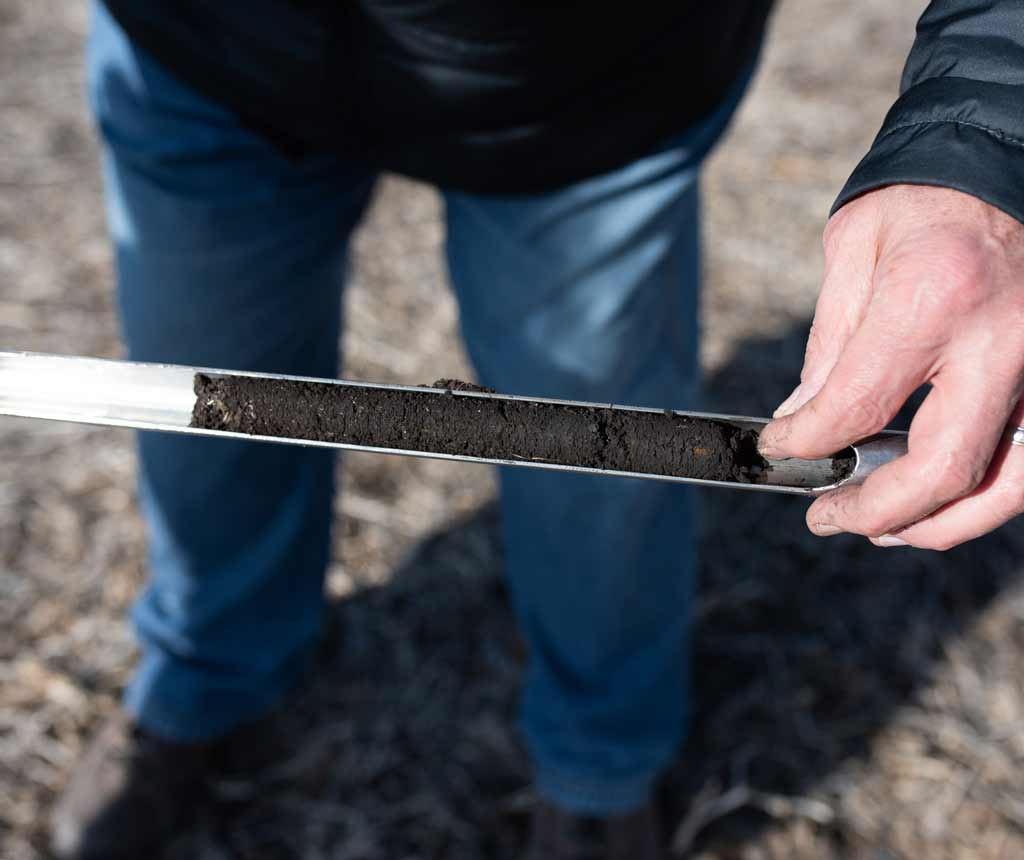
Start With a Soil Test
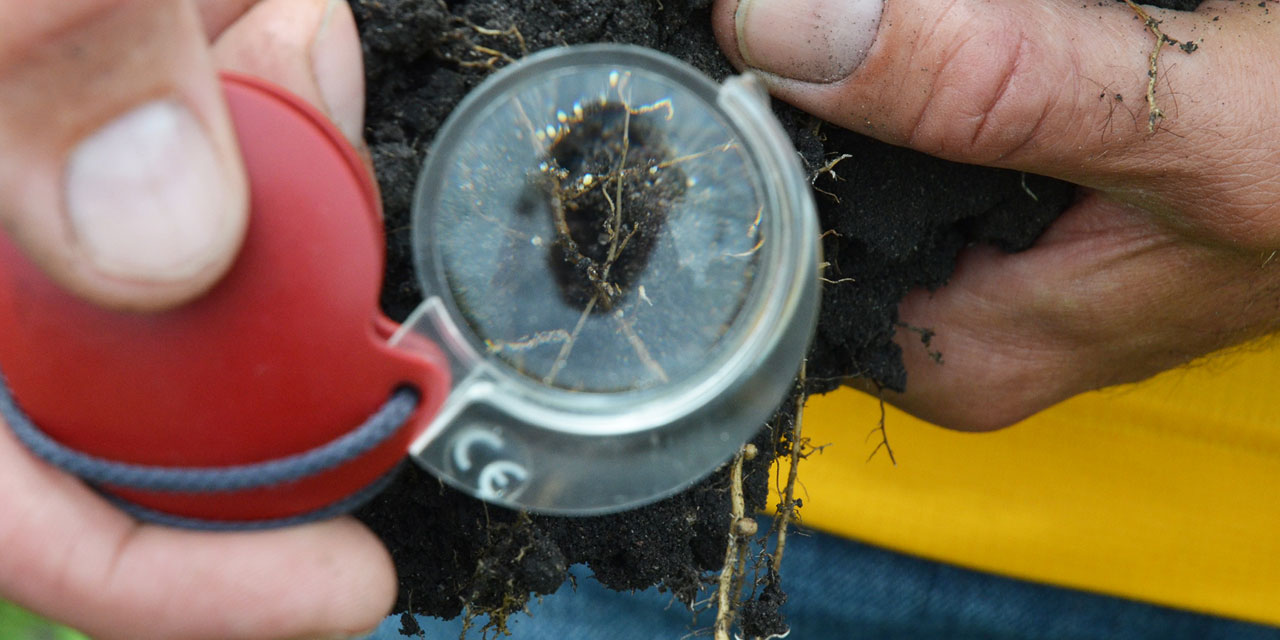
Because RLN moves between soil and root tissue, some laboratories provide counts from both soil and root samples. The most accurate estimate comes from submitting both plant roots and soil cores for analysis.
RLN population densities fluctuate throughout the season depending on crop stage, soil conditions and rotation history. The best time to sample depends on your objective.
Step 1
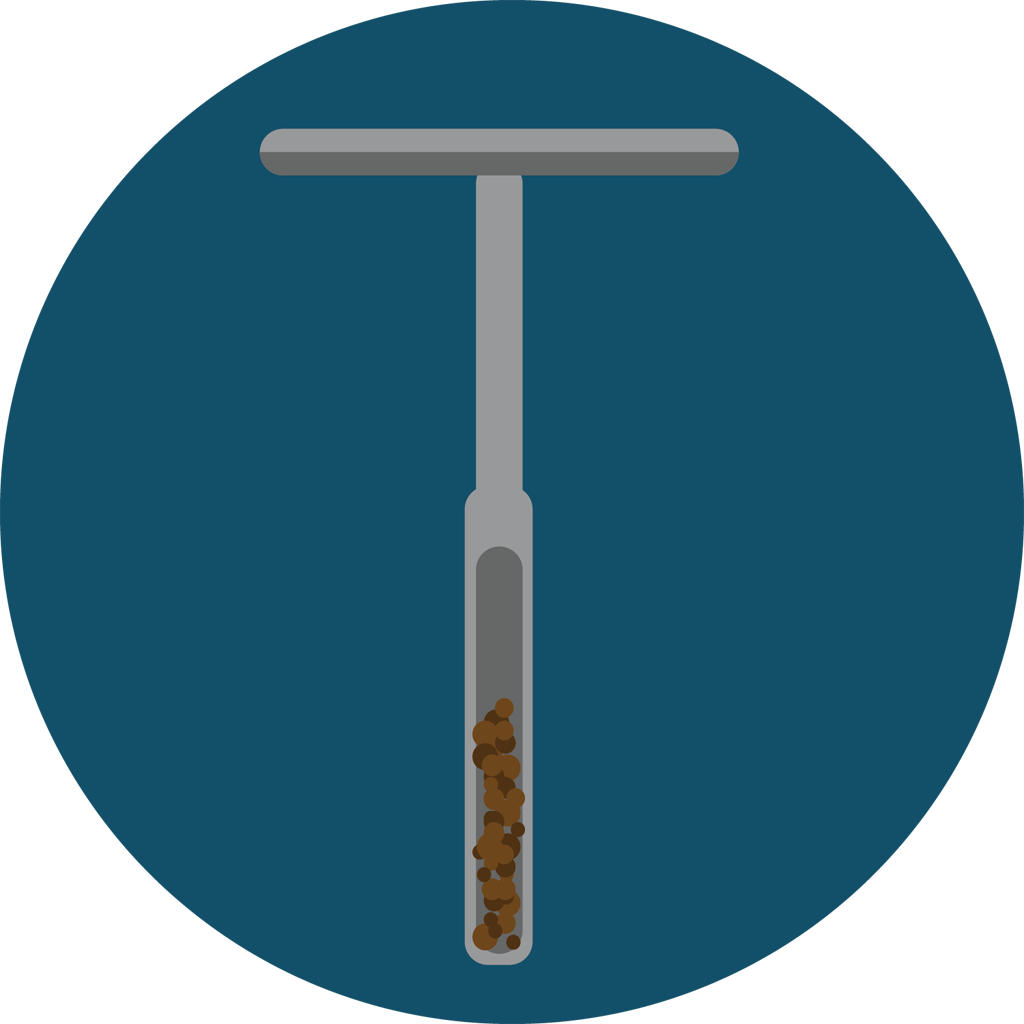
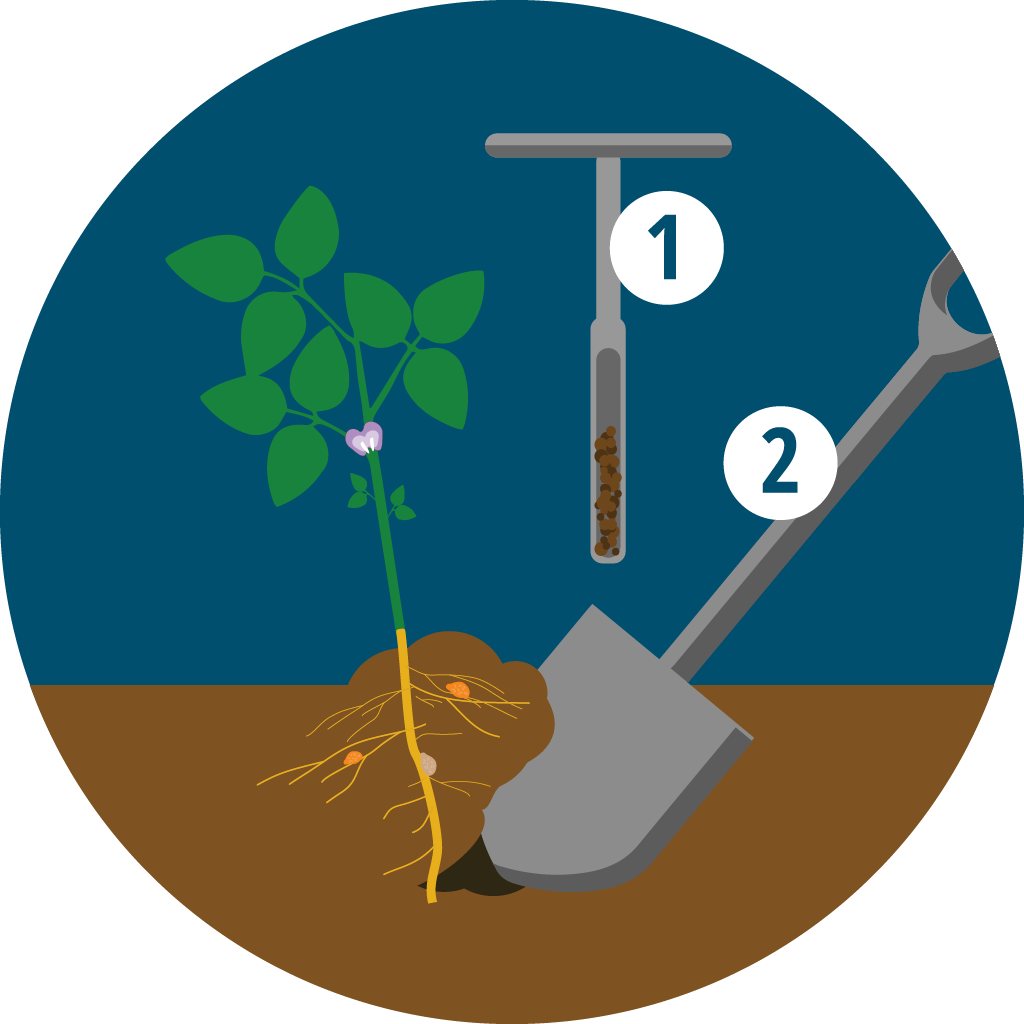
Use a probe or trowel at a slight angle to collect soil samples from the root zone at the base of the plant, typically 6 to 12 inches deep.
Step 2
For root sampling, carefully dig up 2 to 5 soybean plants from the same area where soil was collected. Shake off excess soil but don’t wash the roots.
Step 3
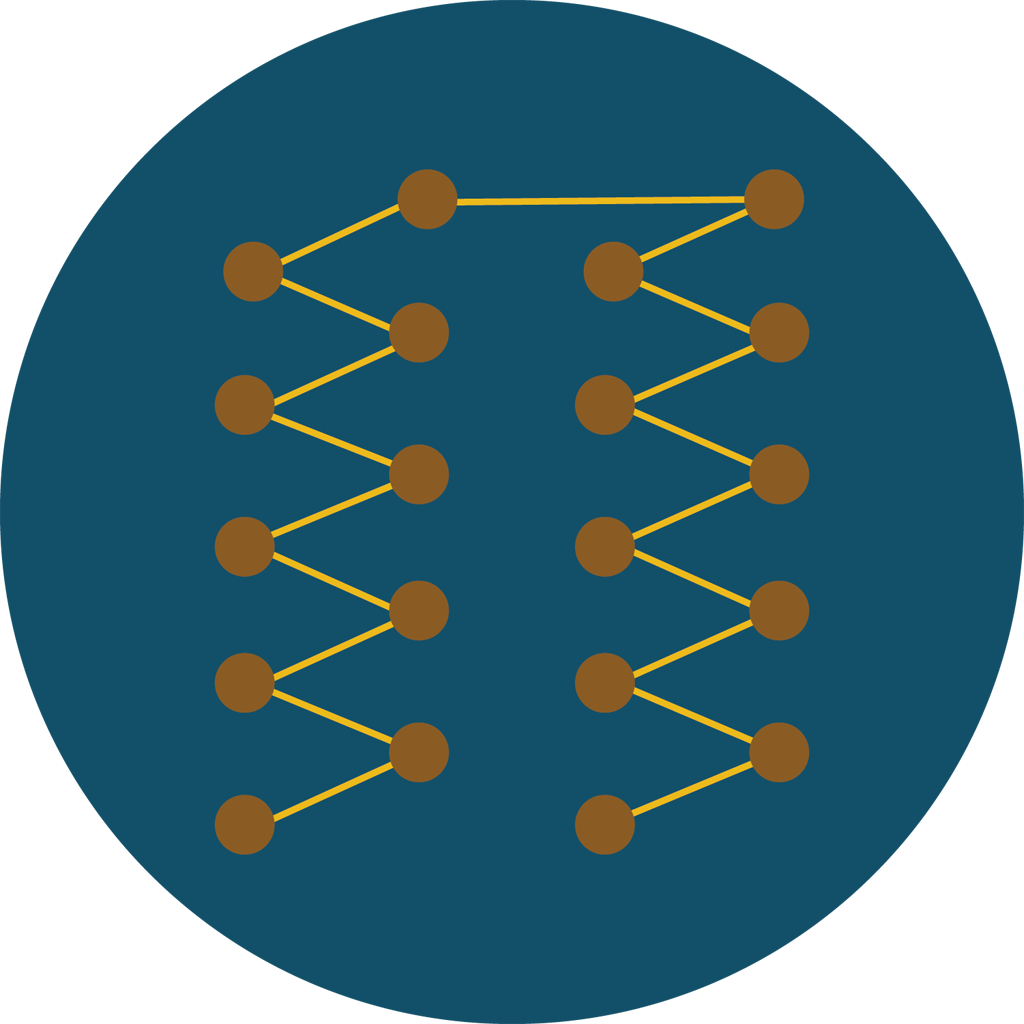
Collect 10 to 20 soil cores that are 1-inch-diameter in a zigzag or “W” pattern across the entire area to be sampled. Take your root samples from the same area where your soil samples were collected.
Step 4
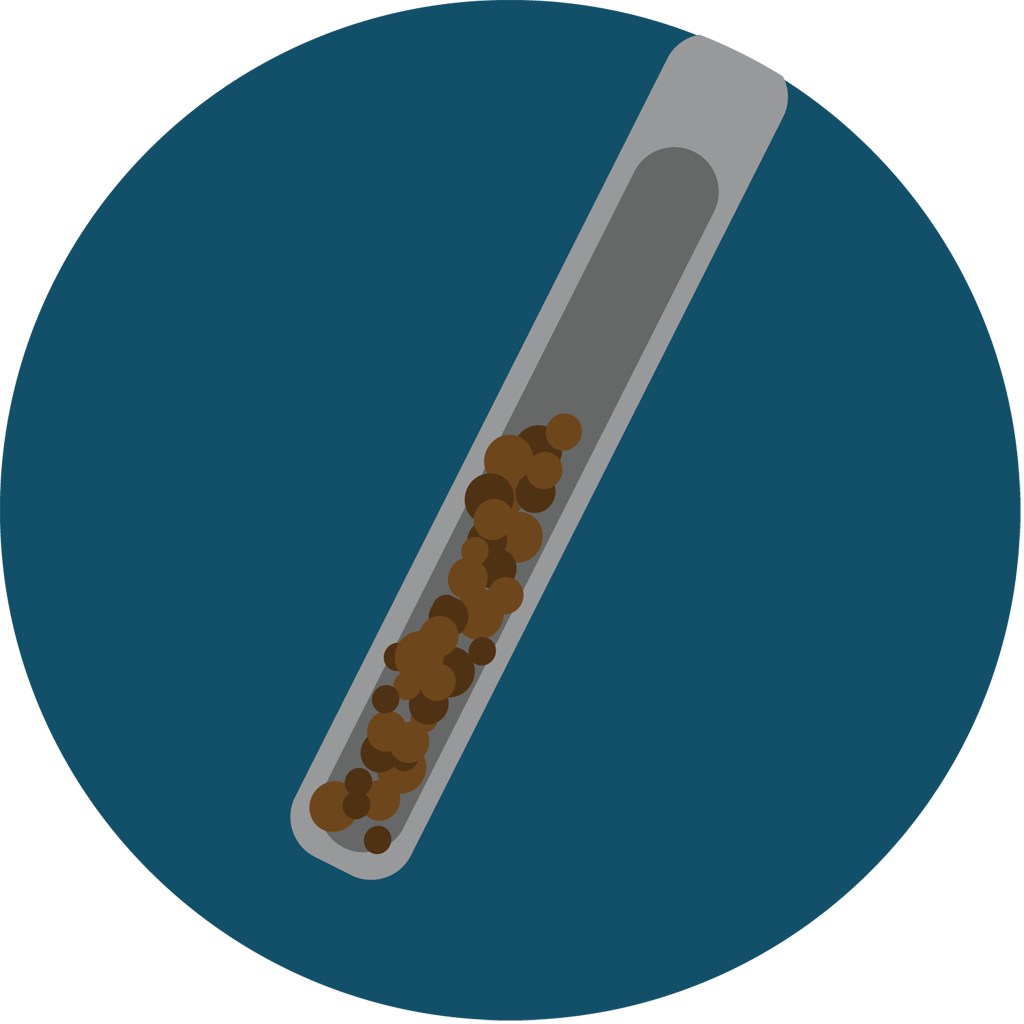
Use yield maps or field history to identify low-yielding areas that may be associated with damaging nematode pressure. Avoid sampling soil and roots from and around dead plants, as RLN requires living roots to develop.

Step 5
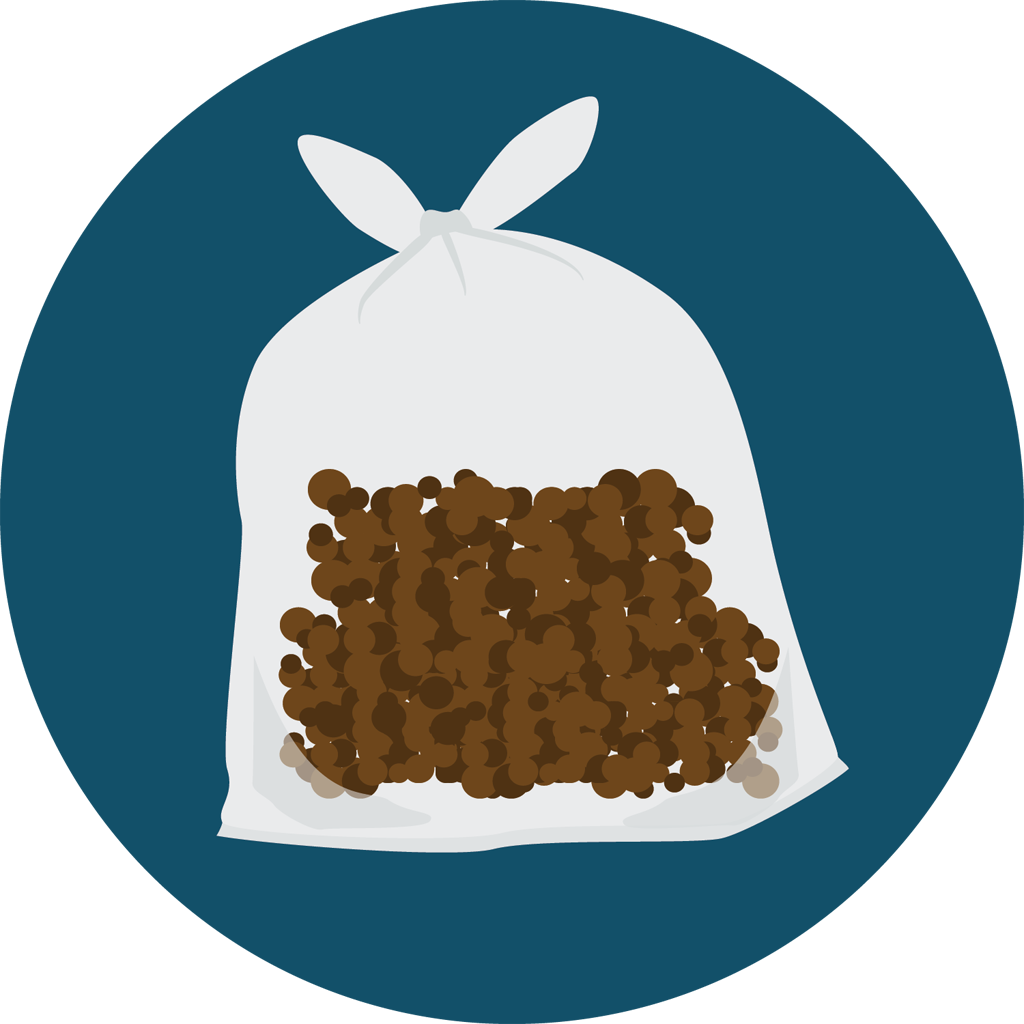
Combine multiple subsamples of soil from an area into a composite sample in a clean bucket, mix the soil gently but well, and place approximately 1 pint (about 450-500 g) of soil into a plastic or freezer-grade bag.
Step 6
Take the unwashed fibrous root system and place it in a separate bag or in the soil sample plastic bag to prevent drying.

Step 7
Keep samples cool and out of direct sunlight immediately after collection. If samples cannot be shipped the same day, store them in a refrigerator (never freeze the sample) to avoid killing the nematodes and send samples to a diagnostic lab as soon as possible.
Interpret Your Results
Why Are RLN Numbers Variable?
Field Conditions
From the nematode’s perspective, field conditions can shift substantially from year to year. Factors such as the crop planted, plant population density, row spacing and the presence or absence of weeds all influence how quickly RLN populations increase.

Sampling Pattern
RLN has a patchy distribution across a field, often reflecting variations in soil texture, organic matter and soil chemistry and creating “hot spots.”
Time of Year
Counts can change dramatically between seasons and from early season to harvest, as nematode numbers are naturally lowest during periods of very cold or very hot conditions.

Laboratory Process
Different laboratories processing the same soil sample are unlikely to report identical nematode counts. Some labs process soil, roots or both when extracting nematodes.
Implement Root Lesion Nematode Management Solutions
Establish Priorities
If SCN is present in the field, it should take priority when making rotation decisions and developing nematode management plans. Unlike SCN, currently there are no soybean varieties with resistance to RLN. RLN management should be integrated with broader nematode control strategies.
Crop Rotation
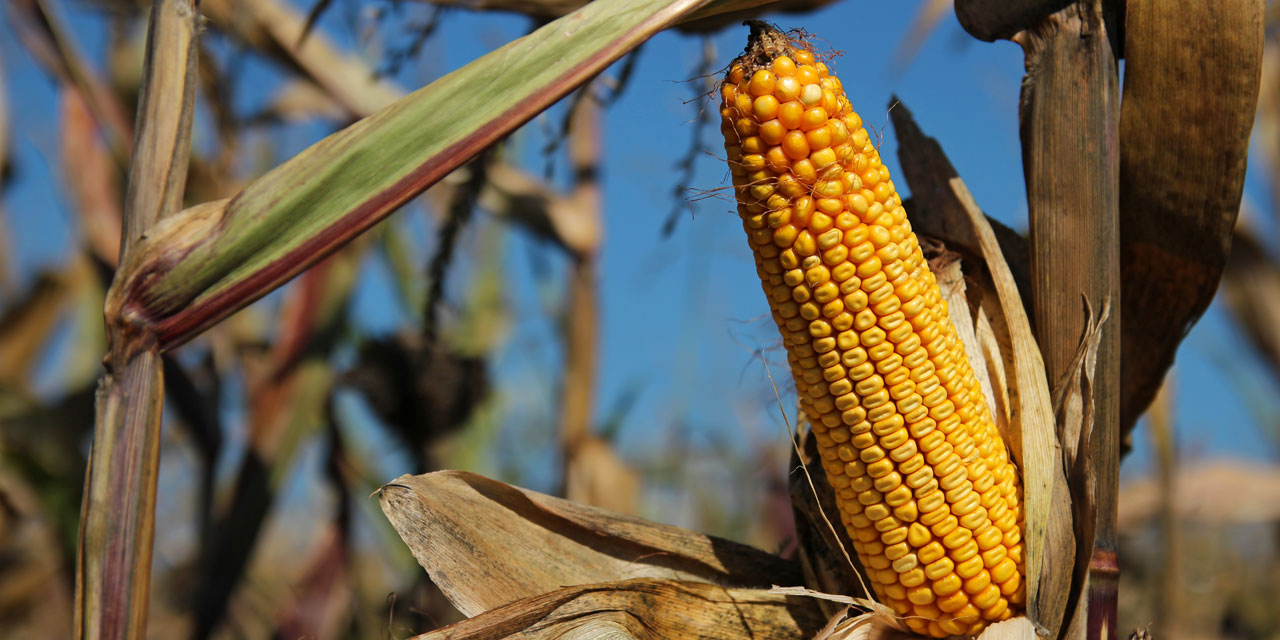
Unlike SCN, which primarily infects soybean, RLN has a broad host range and can damage nearly every crop in your rotation, including corn. Management decisions made in corn, wheat or even cover crops, can influence RLN pressure in future soybean crops. Some crops support less RLN reproduction than others, and any reduction in RLN population densities during non-soybean years can benefit your next soybean crop. Recommended rotation crops depend on the RLN species present. Recall that RLN contains more than 100 species, so changing crops may also shift the species present in your field.
Weed Management
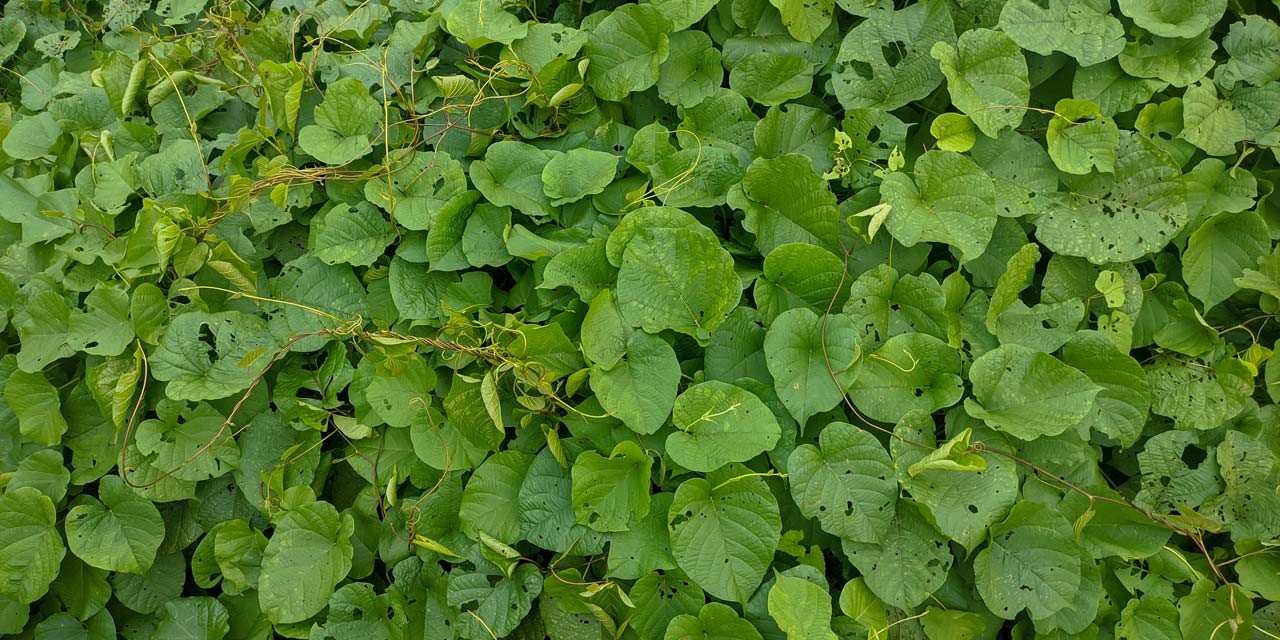
Multiple common annual and perennial weeds can serve as hosts for RLN, allowing populations to persist even when cash crops are not present. Keeping fields weed-free between crops and during fallow periods helps prevent RLN population densities from building up.
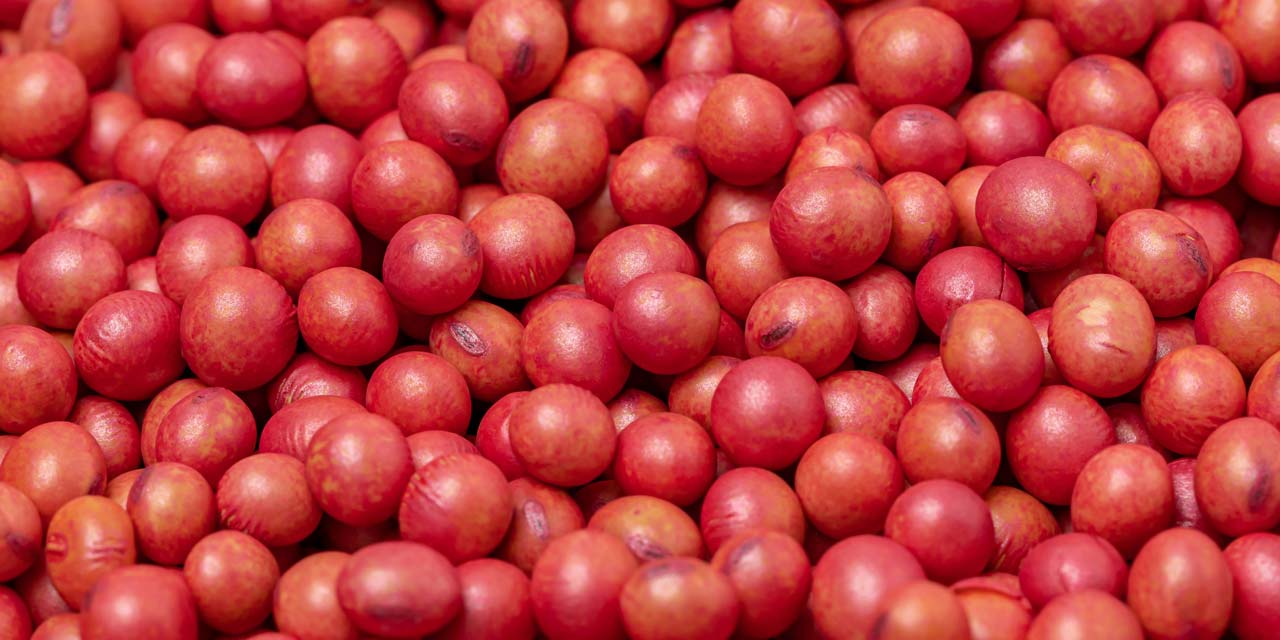
Nematode-protectant Seed Treatment
Because all RLN life stages can overwinter and begin feeding on soybean roots before emergence, nematode-protectant seed treatments can help protect roots during this vulnerable early period — especially when population densities of P. penetrans or P. brachyurus are high. Choose seed treatments specifically labeled for RLN and consult your local expert for recommendations suited to your region and field conditions.
Other Cultural Practices
Cultural practices that improve soil structure, such as tillage in compacted soils, can help roots develop more vigorously. Adequate soil fertility also is important, as well-nourished, healthy plants are generally better able to tolerate RLN damage.
Download Your Root Lesion
Nematode Management Guide
View Our Other Management Guides