

Soybean Cyst Nematode Management Guide
Proven Strategies Soybean Farmers Can Implement to Battle Soybean Cyst Nematode
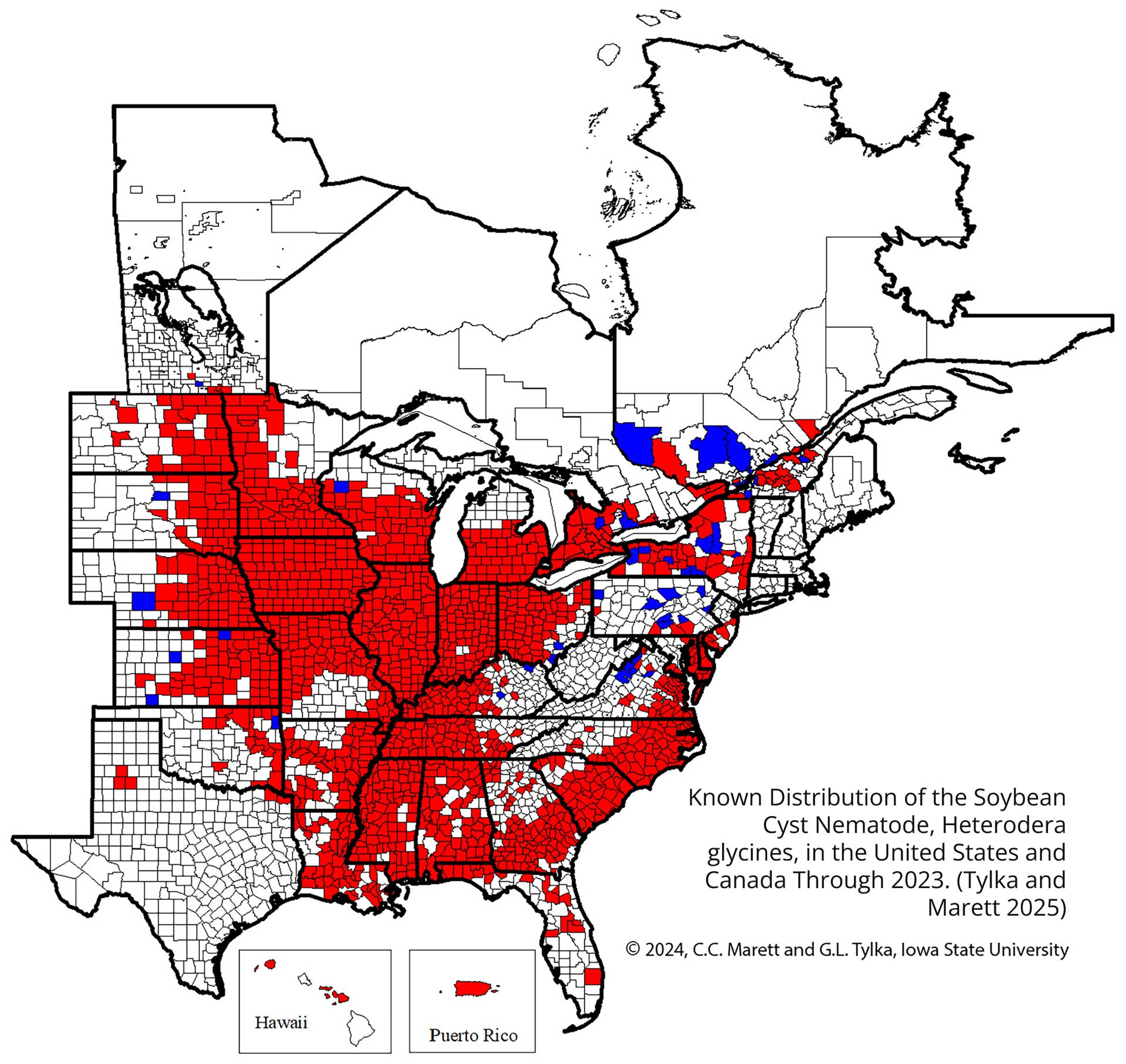
Found in most soybean-growing regions in the U.S. and Ontario, Canada, soybean cyst nematode (SCN) causes up to 80% yield loss in heavily infested fields, costing farmers over $1.5 billion each year.
The bad news?
Once a field is infested with SCN, it’s impossible to eliminate it.
The good news?
Whether you want quick tips or a scientific deep dive, this guide will help you determine whether you have SCN infestations, tailor a management strategy for your farm, and recover potential yield.
Soybean Cyst Nematode 101: Biology and Reproduction
SCN or Heterodera glycines is a soilborne, microscopic roundworm that feeds and damages soybean roots. Once hatched from eggs, SCN second-stage juveniles (J2) in the infective stage penetrate roots and establish feeding sites – disrupting nutrient and water uptake, stunting root systems, and adding stress to the plant.
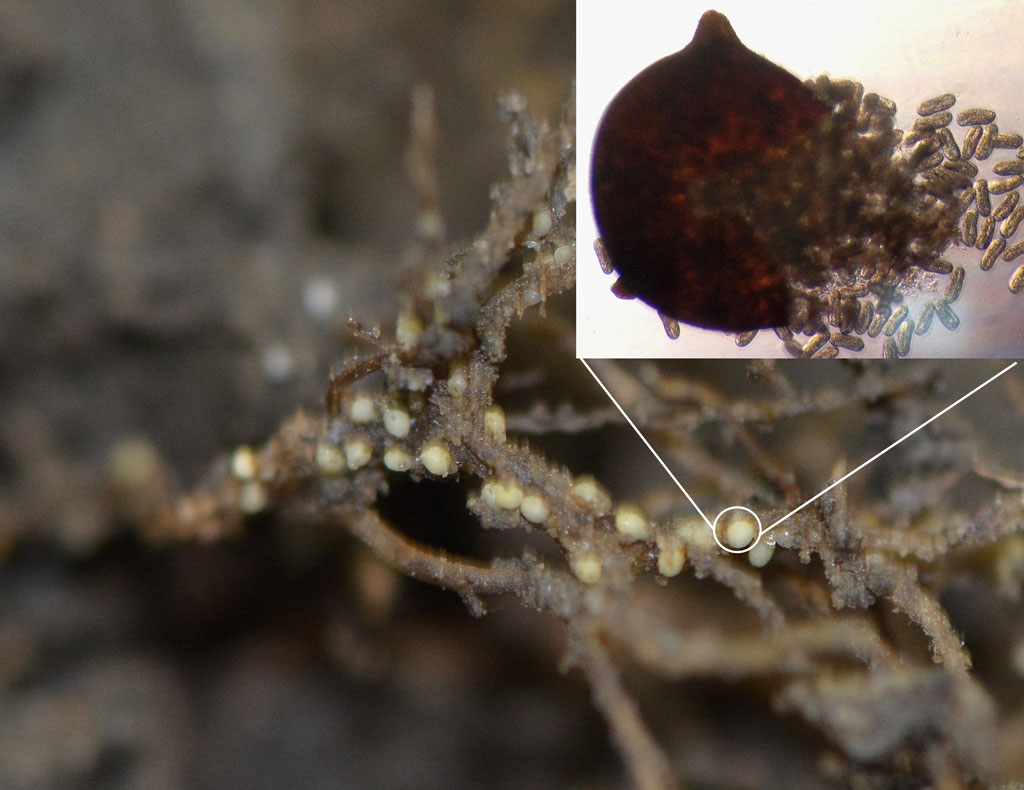
After infecting soybean roots, some develop into sedentary white “lemon-shaped” females that stay attached to the root, while others become thin, worm-like males that leave the root to fertilize them. Fertilized females deposit eggs in a gelatinous mass on the root surface, but most eggs remain inside their bodies.
When the female dies, her body wall hardens and turns brown, forming a cyst that can protect hundreds of eggs in the soil for many years with or without a host. Depending on its environment, SCN can reproduce quickly – even completing up to six generations during one growing season.
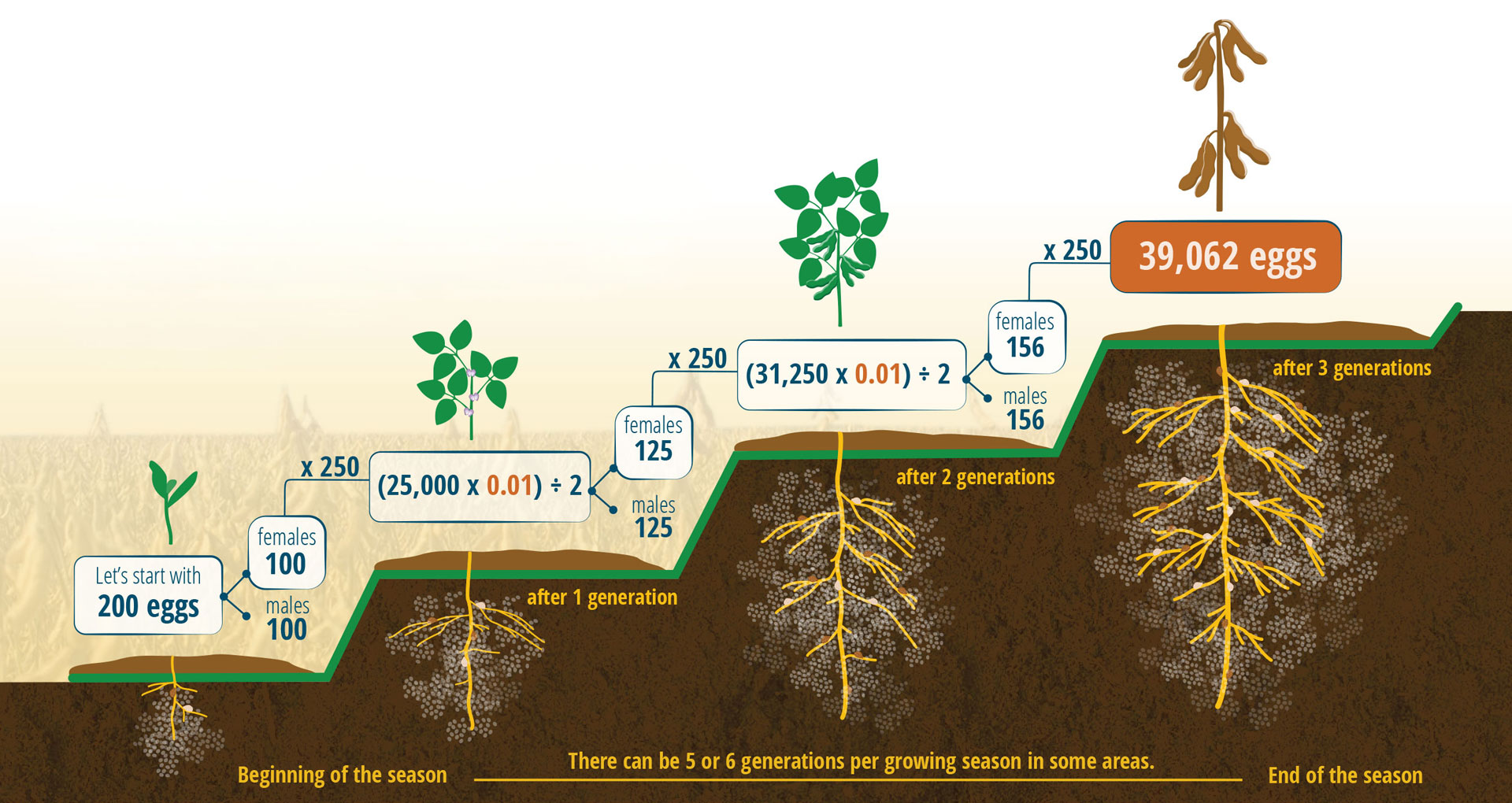
Even with an attrition rate of 99% – meaning only 1% of eggs survive each generation – SCN egg population densities can quickly build up on a plant in three generations.
How to spot SCN: Signs and Symptoms
How to Manage Soybean Cyst Nematode
SCN Continues to Spread
As more plants are infected and damaged, SCN numbers can go from low to high in one season. Once the crop is planted, there are no in-season options to reduce yield loss from SCN. However, a post-harvest soil test can reveal what long-term management strategies you should implement in subsequent seasons.
Start With a Soil Test
SCN numbers are highest when plants are almost mature to shortly after harvest, and soil sampling then leaves enough room to adjust next season’s management decisions.
It is also recommended to sample SCN in fields with nonhost crops (like corn) but where soybeans will be grown. These results show the SCN population levels that soybeans will encounter the following spring.
Test fields every three years if resistant varieties were grown or if the field is in rotation.
Step 1
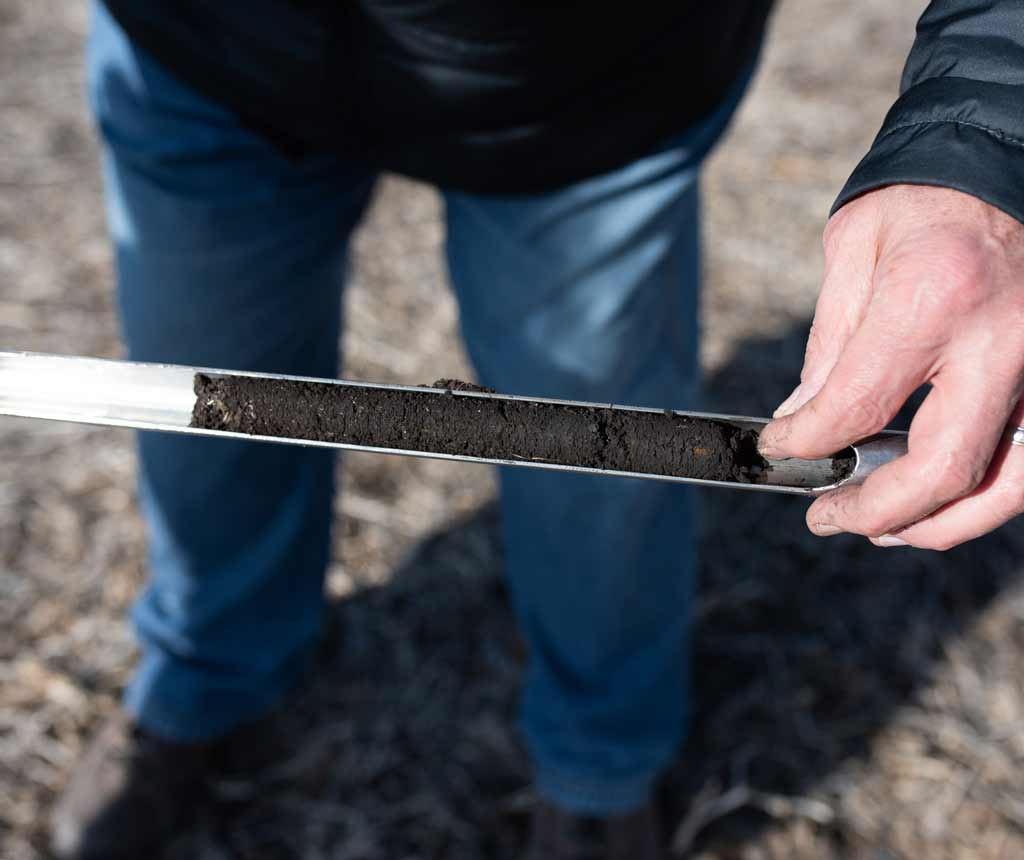
Use a cylindrical soil probe to collect soil samples. Samples should be taken in the root zone.

Step 2
Collect soil cores to a depth of 6 to 8 inches.

Step 3
Collect 10 to 20 soil cores that are 1-inch-diameter in a zigzag or “W” pattern across the entire area to be sampled.
Step 4
When collecting soil cores, sample fields separately based on natural breaks or agronomic areas such as wet or dry areas, soil texture and depth, or cropping history.

Step 5
Combine those cores in a separate bucket, then place the soil from the multiple grid cells in a single bag and mix. This creates a single sample that will represent those 20 or so acres.

Step 6
Place the homogenized composite soil sample (at least 2 cups / 500 ml in volume) in a plastic bag and label it with a permanent marker.

Step 7
Store samples away from sunlight in a cool area until they are shipped to the laboratory. For the most accurate numbers, ship samples within a few days of sampling.
Interpret Your Results
Egg counts per volume of soil are the most accurate and consistent measure of SCN population density. When interpreting SCN test results, you must compare values based on the same soil volume and life stage.
For example, 200 cysts per 100 cm3 may sound high, but without knowing the egg content of each cyst, the actual potential for yield loss remains unclear.
Be sure to consult with your local county agent, crop consultant, or extension nematologist to help interpret nematode thresholds and develop a management plan.
Determine HG Type
Some SCN populations can reproduce on varieties marketed as “resistant” to SCN. To understand this variability among SCN populations, scientists classify them using HG Types.
HG Type test results show how well an SCN population reproduces on a set of soybean lines – known as plant introductions (PI) – that are used in soybean breeding as resistance sources to develop commercial soybean varieties.
If the SCN population produces a significant number of females – defined as a Female Index (FI) – of 10% or more on any of the PI lines compared to a susceptible soybean check, that line’s number is included in the HG Type designation of the SCN population.
Knowing your field’s HG Type and the FI values for each PI line can help guide selection of resistant varieties for more strategic resistance management and long-term yield protection. For a deeper dive on how to determine HG types and Female Index (FI) values, click here or watch the videos below.
Estimate Loss With the SCN Profit Checker
Once SCN is confirmed in your field and egg counts are determined through soil testing, you can begin to estimate the potential yield loss with the SCN Profit Checker.
Powered by data from 25,000+ university research plots1, this tool estimates SCN’s economic toll on your farm, field by field. Using the SCN Profit Checker will result in a more field-specific assessment of yield risk and help guide your soybean variety selection and management decisions.
Implement Soybean Cyst Nematode Management Solutions
Even if you’ve been managing SCN for years, there’s always more you can do to stay ahead of this persistent threat. The key is keeping SCN population densities low to minimize yield loss and preserve the effectiveness of resistant varieties. With options like resistant soybean varieties, rotation of soybeans with nonhost crops, and use of nematode-protectant seed treatments — all you need to do is determine which strategies are best for your operation.
Resistant Soybean Varieties
Preventing SCN from completing its life cycle, resistant varieties are the most effective and widely used management tool, allowing farmers to grow soybeans profitably in infested fields.
Several sources of SCN resistance exist, but repeatedly planting varieties with the same resistance source can allow SCN populations to adapt, overcome that resistance, and reproduce on those varieties.
The Problem With PI 88788
Most commercial varieties get their resistance from the same breeding line – PI 88788. However, SCN’s resistance to this source is now widespread throughout North America, reducing its effectiveness.
To slow this adaptation:
- Rotate resistant varieties with different sources of resistance such as Peking.
- Avoid growing the same resistant variety with the same resistance source in the same field, even if separated by a year of corn or other nonhost crop.
- Keep monitoring SCN egg population densities by collecting soil samples every few seasons.

Crop Rotation
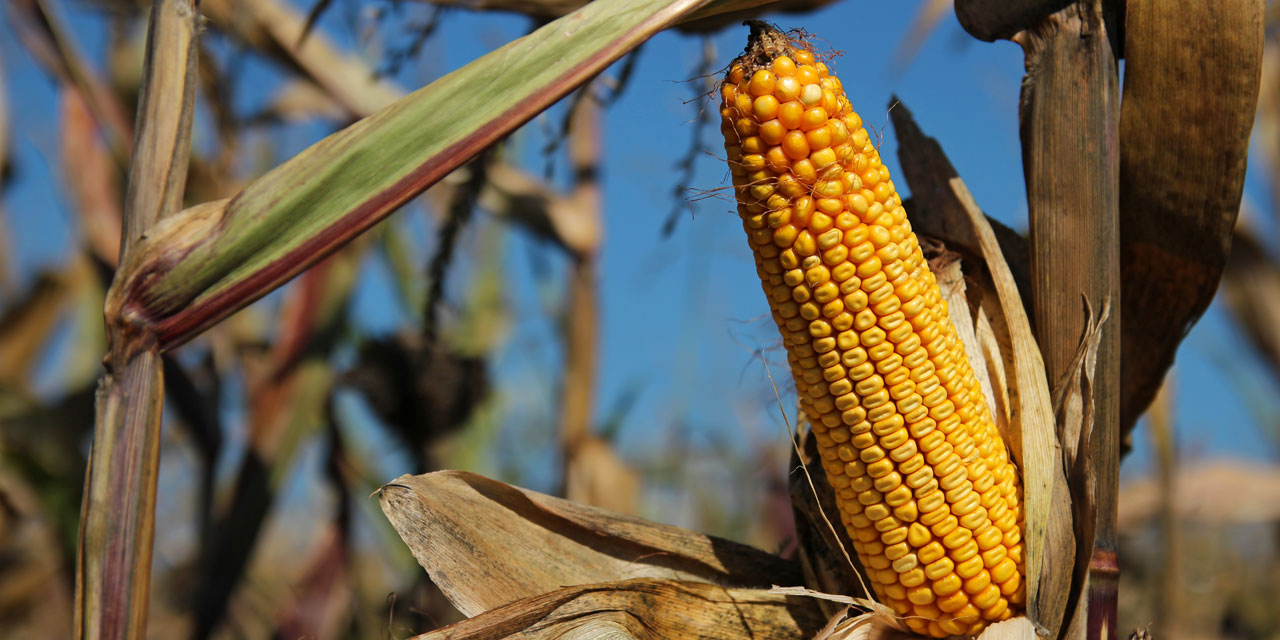
While no single rotation crop will eliminate SCN from a field, nonhost crops do not allow SCN reproduction and reduce egg population densities in the soil over time.
Rotation design depends on factors like geography, your farm’s and individual fields’ conditions, and input costs.
However, the slower SCN numbers decline, the greater the need to grow nonhost crops to decrease SCN numbers and slow down its development of resistance to resistant soybean varieties.
Weed Management
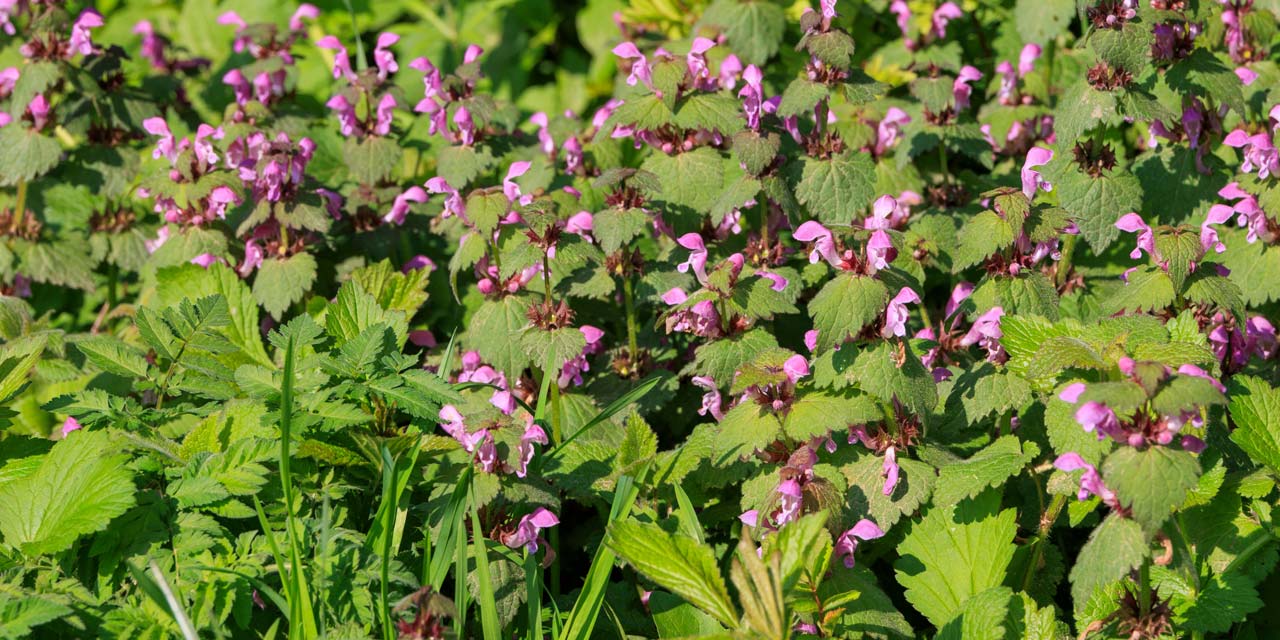
Weeds like henbit, purple deadnettle, and field pennycress can support SCN reproduction in infested fields. When soil temperatures are warm enough, SCN reproduction can occur on winter annual weeds leading to increased population densities.
Nematode-protectant Seed Treatment
Nematode-protectant seed treatments are used to complement resistant varieties or when host plant resistance is not available and are especially helpful in fields with multiple species of nematodes.
Both chemical-based and biologicals are available and labeled for managing SCN, and new treatments are being tested and becoming available to growers.

Other Cultural Practices
While tillage does not reduce SCN populations, cultural practices that improve soil conditions, such as alleviating compaction, can help soybean roots grow more vigorously and may reduce SCN-related yield loss.
Proper fertility management is also critical, since SCN tends to cause greater yield reductions in nutrient-deficient plants than in well-fertilized ones.

Download Your Soybean Cyst Nematode Management Guide
View Our Other Management Guides

Soybean Nematode Management Guides are funded by the Soy Checkoff.
Reference
1McCarville, M.T., Marett, C.C., Mullaney, M.P., Gebhart, G.D. and Tylka, G.L. Increase in soybean cyst nematode virulence and reproduction on resistant soybean varieties in Iowa from 2001 to 2015 and the effects on soybean yields. Plant Health Progress. 2017. 18(3):146-155.