Today, October 5, 2026, marks the fourth National Nematode Day, a day that’s especially exciting for the winners of The SCN Coalition’s $100 sweepstakes:
- Erika Consoli
- Colton Stefanski
- Robert Bischoff
These winners qualified for the drawing by participating in The SCN Coalition’s “Are You Smarter Than a Nematode?” quizzes. This fun, engaging, and informative series sponsored by Wilbur-Ellis, Syngenta and BASF challenged participants to test their nematode knowledge.
“National Nematode Day gives The SCN Coalition a fun, engaging way to connect with farmers and agronomists while reinforcing the importance of actively managing soybean cyst nematode (SCN) and other parasitic nematodes,” says Horacio Lopez-Nicora, soybean pathologist and nematologist at The Ohio State University. “We’re grateful to this year’s sponsors for helping us showcase science-based resources like the SCN Profit Checker and Soybean Nematode Management Guides.”
Putting SCN knowledge to the test
Weekly quizzes leading up to National Nematode Day helped educate about plant-parasitic nematodes and their significance to soybean production.
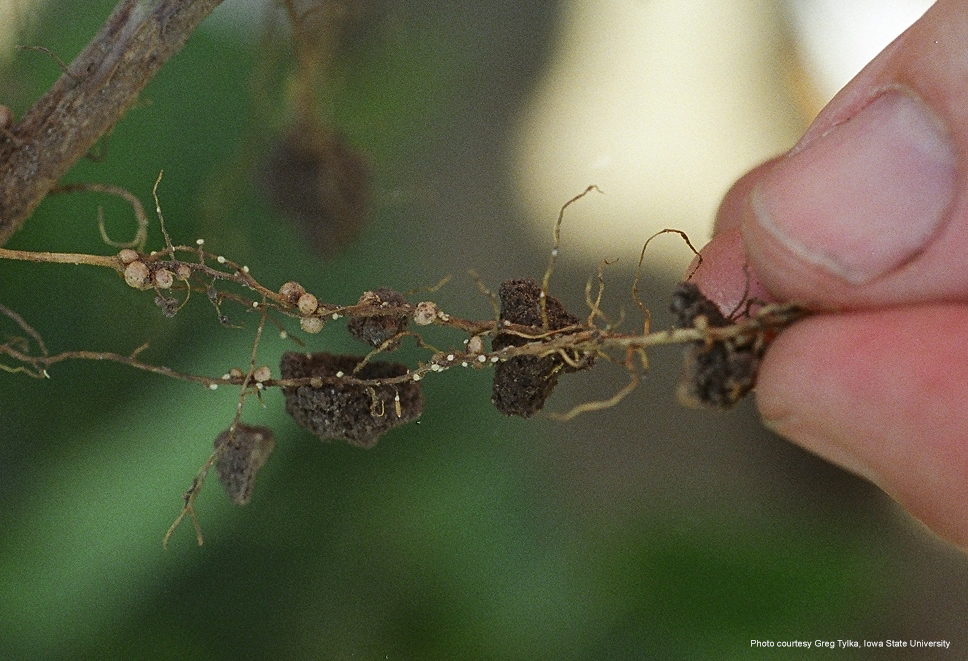
Week 1: A single SCN cyst can contain approximately how many eggs?
The answer is 250 to 500.
“The tough outer wall of the cyst shields the eggs from harsh soil environments, allowing them to survive for many years without a host,” says Dylan Mangel, plant pathologist at the University of Nebraska-Lincoln. “Anything that moves soil can move egg-filled cysts, making regular scouting and proactive management essential to limiting SCN’s impact.”
Week 2: Which method is the most reliable way to know whether SCN is present in a field?
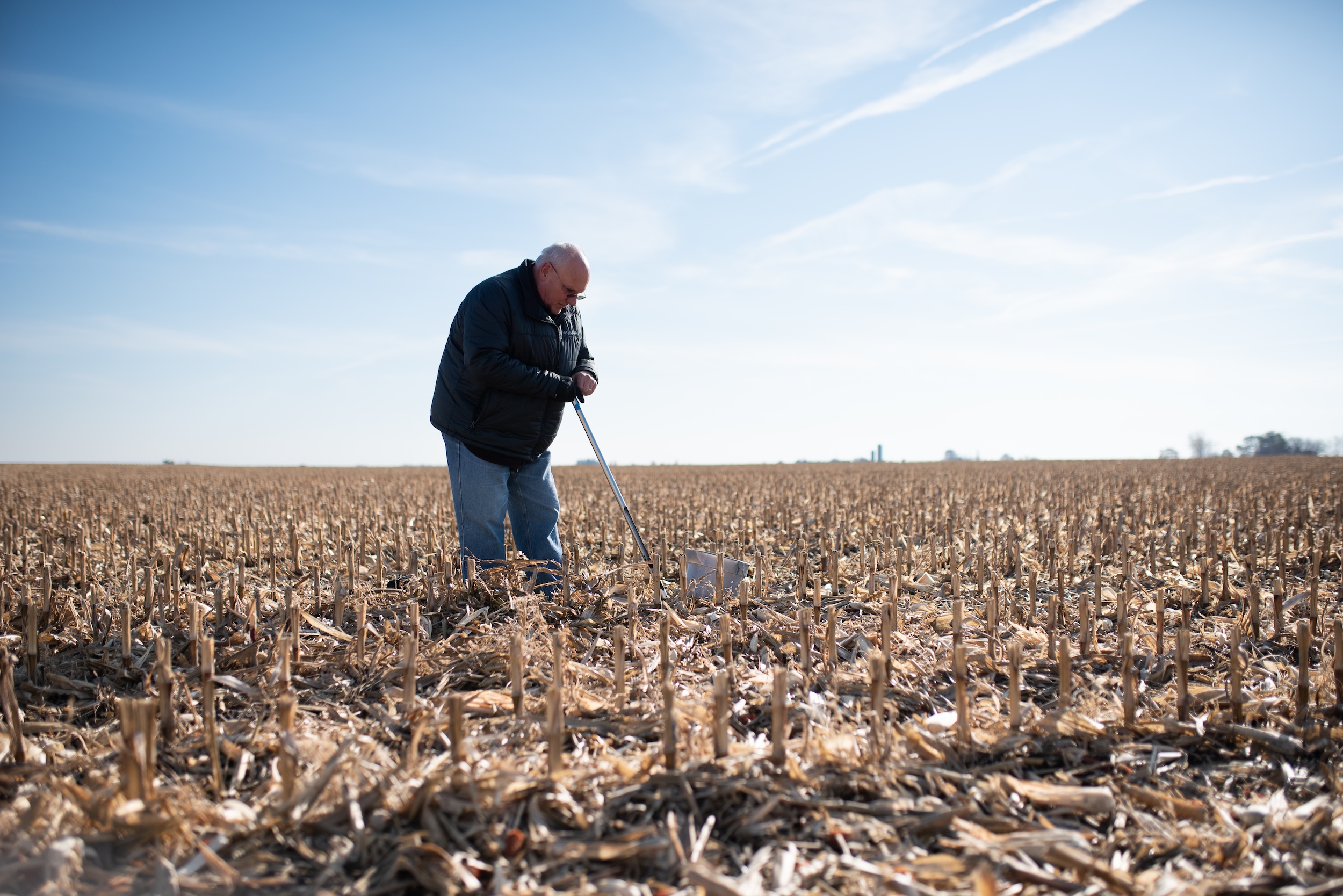
The answer is to conduct an SCN soil test. “SCN numbers are highest at the end of the growing season,” says Greg Tylka, nematologist at Iowa State University. “Harvest is a great time to test for SCN because it allows farmers to make informed management decisions before next year’s crop is planted.”
Week 3: Under ideal conditions, how many generations of SCN can occur during a single growing season?
The answer is up to six.
SCN can complete its life cycle in 21 to 24 days under ideal temperatures, allowing populations to rise quickly.
“Unfortunately, the same environmental conditions that promote soybean growth also favor SCN reproduction,” says Mangel. “Nematode feeding reduces nutrient availability, disrupts water uptake and slows root development.”
Make SCN testing part of your management plan
The “Are You Smarter Than a Nematode?” quizzes are designed to be fun, but the takeaway is serious: Farmers can’t manage what they don’t measure. Soil testing is the most reliable way to know whether SCN is present in a field and how much pressure may be building below ground.
Visit TheSCNCoalition.com to use the SCN Profit Checker and access the Soybean Nematode Management Guides.