Root-knot nematode (RKN) can quietly chip away at soybean yields before aboveground symptoms are evident. Ranked as the No. 2 threat to soybean production in the southern United States in 2025, second only to soybean cyst nematode (SCN), RKN infestations can reduce yields by up to 25% in individual fields.
To help soybean farmers stay ahead of threats like RKN, The SCN Coalition has expanded its educational outreach with the Root-Knot Nematode Management Guide, developed with funding from the United Soybean Board. The guide provides practical tools and science-based strategies to identify and manage RKN species and recover lost yield potential.
More nematode species. More problems.
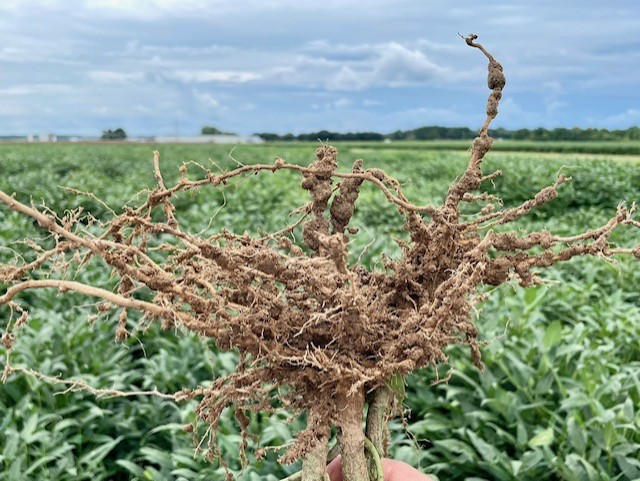
RKN creates knot-like swellings called galls on infected soybean roots, limiting the plant’s water and nutrient uptake and contributing to stunted, yellowing patches aboveground. However, managing this nematode isn’t one-size-fits-all.
Identifying which RKN species is present is critical because management decisions, including resistant variety selection and crop rotation plans, can vary significantly from one species to another. Several RKN species are commonly found across most soybean production regions in the U.S. and can contribute to yield loss, including:
- Southern RKN: A problem in soybean and cotton fields, this is the most damaging and widespread of the species, found predominantly in southern states and spreading north.
- Peanut RKN: Present where large acreages of peanut or tobacco are grown frequently, including southeastern states.
- Northern RKN: The most prevalent species in northern states and Canada.
When high RKN pressure coincides with stressful environmental conditions such as drought, yield reductions can become even more severe. Even when conditions are unfavorable or a host is absent, RKN eggs can overwinter in the soil for several years until the right environment or host returns, allowing low RKN populations to increase to yield-reducing levels.
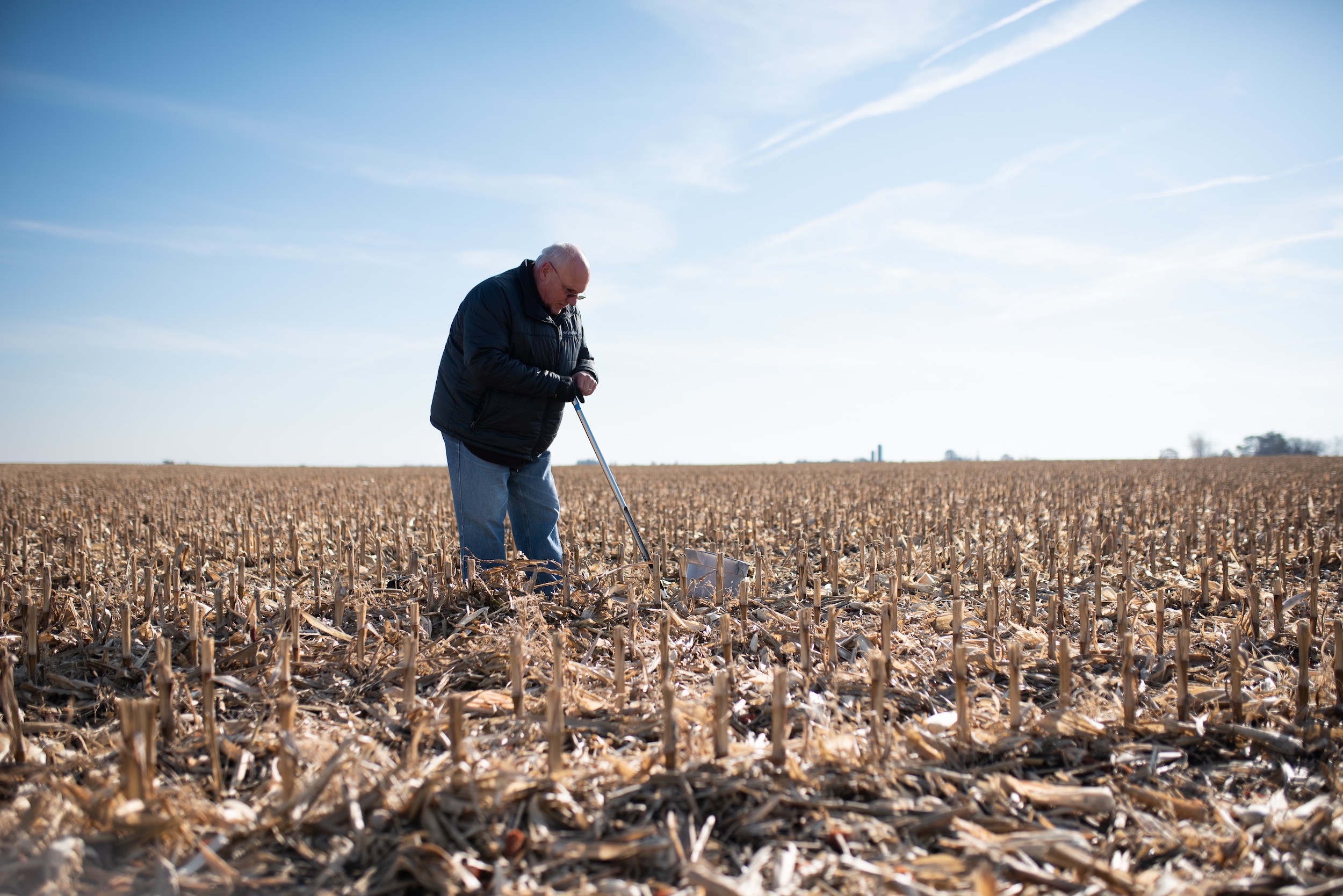
Because root-knot nematode populations can increase dramatically in a single growing season, waiting until symptoms become severe can make the pest more difficult to manage. The Root-Knot Nematode Management Guide helps farmers act early with step-by-step recommendations for scouting fields, collecting soil samples and interpreting test results so they can understand population levels, make informed management decisions and protect yield potential before losses become significant.
How can farmers manage RKN over the long term?
Once a field is infested, RKN cannot be eradicated. However, an integrated management approach that combines multiple strategies can effectively reduce RKN’s impact on yield.
From resistant soybean varieties and seed treatments to crop rotation, the Root-Knot Nematode Management Guide provides expert-backed, practical strategies that farmers can tailor to their fields and yield goals.
“Managing root-knot nematode effectively and keeping populations low takes more than one active management strategy,” says Travis Faske, plant pathologist at the University of Arkansas Division of Agriculture and the guide’s lead author. “Farmers can use the guide to create a proactive, informed management plan that protects their soybean yield and reduces nematode pressure.”
Preparing for RKN challenges
The Root-Knot Nematode Management Guide equips soybean farmers and crop advisors with practical, field-specific strategies to actively manage this pest and protect yield. Explore the guide or visit www.nematodeguides.com to learn how to identify and manage other damaging nematode species.