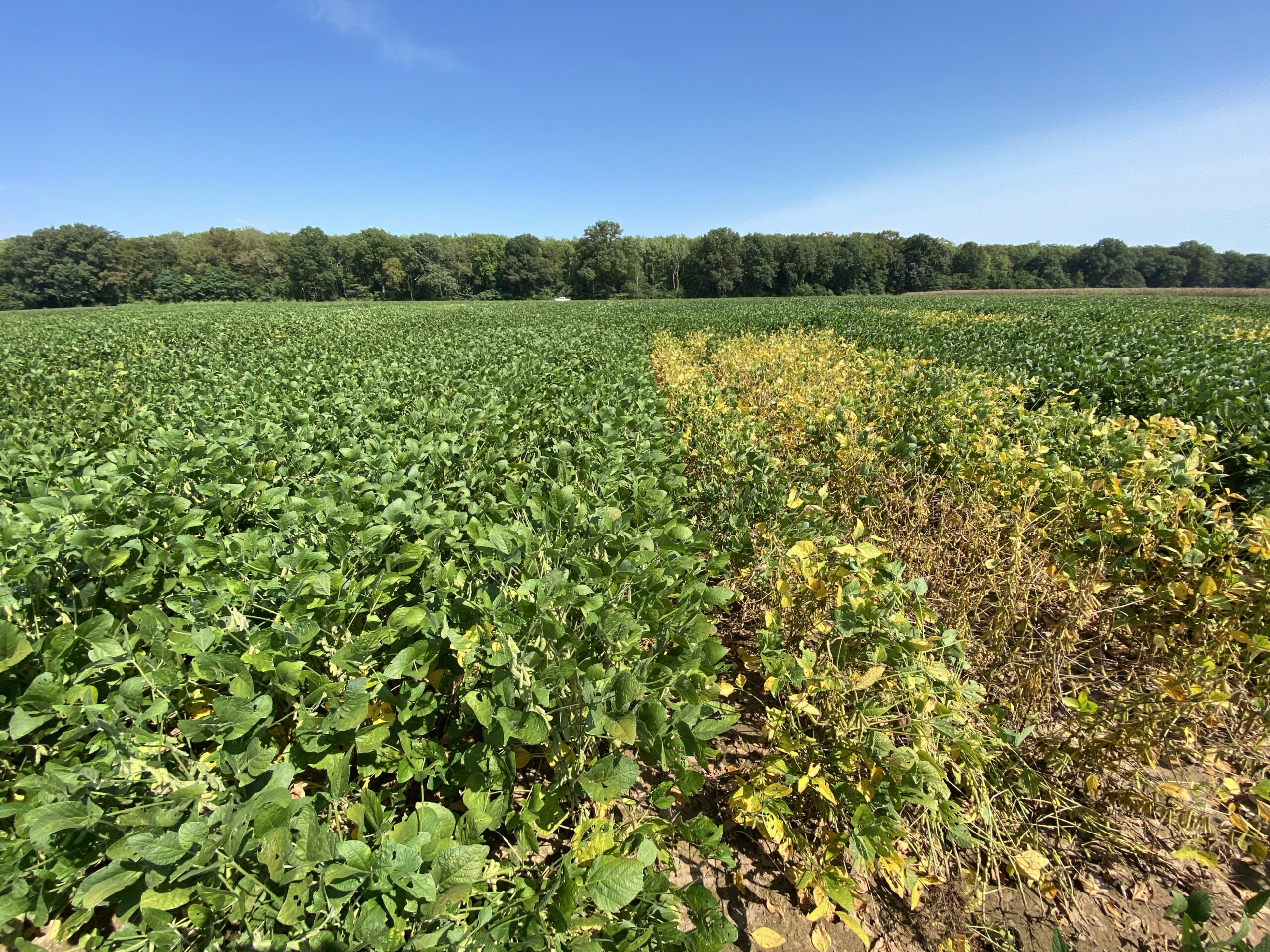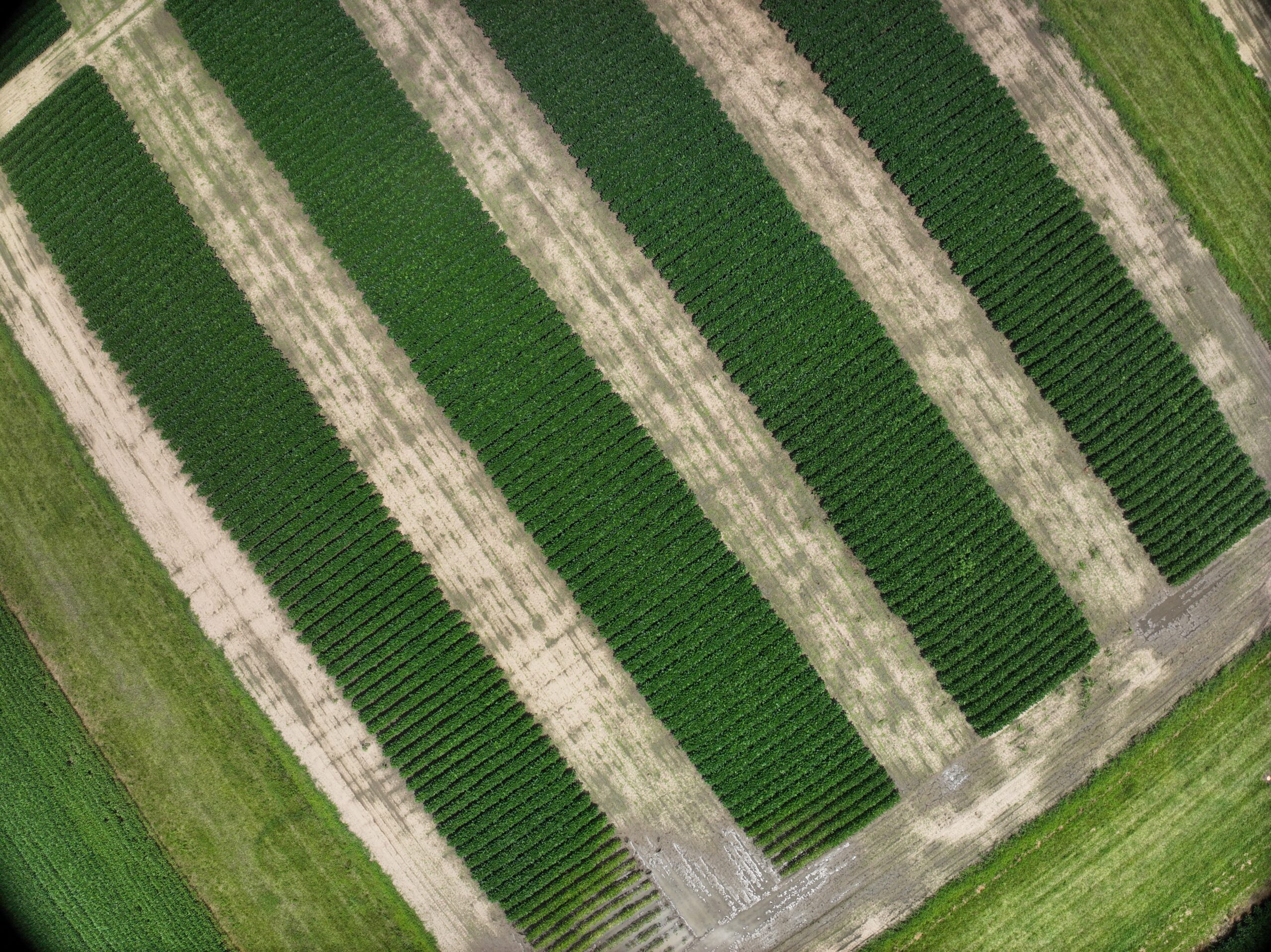
As farmers make seed decisions for 2027, updated soybean cyst nematode (SCN)-resistant variety lists for Illinois and Iowa – the top two soybean-producing states in the U.S. – provide important information to help put active SCN management into practice.
Illinois farmers have 431 SCN-resistant varieties of the companies surveyed available for 2027, compared with 435 last year, says University of Illinois Nematologist, Nathan Schroeder, who compiled the list. All but eight varieties in the 2027 list possess SCN resistance from PI 88788 or Peking, with one variety possessing resistance from PI 88788 and PI 437654.

Iowa farmers have 796 SCN-resistant soybean varieties from companies surveyed to consider for 2027, compared with 908 varieties last year, says Iowa State University Nematologist, Greg Tylka, who compiled the list. All but eight varieties in the 2027 list possess SCN resistance from PI 88788 or Peking. The list also contains information on two varieties possessing resistance from both PI 88788 and Peking and six blends of varieties with PI 88788 and Peking resistance.
Why Source of SCN Resistance Matters
The number of varieties available tells only part of the story. What matters is the source of resistance behind those choices.
For decades, PI 88788 has been the predominant source of SCN resistance, and research highlighted by The SCN Coalition shows repeated use of the same source allows SCN populations to adapt. Schroeder and Tylka encourage farmers to learn from the lessons created by overreliance on PI 88788 and not grow varieties with Peking SCN resistance in consecutive soybean crops.
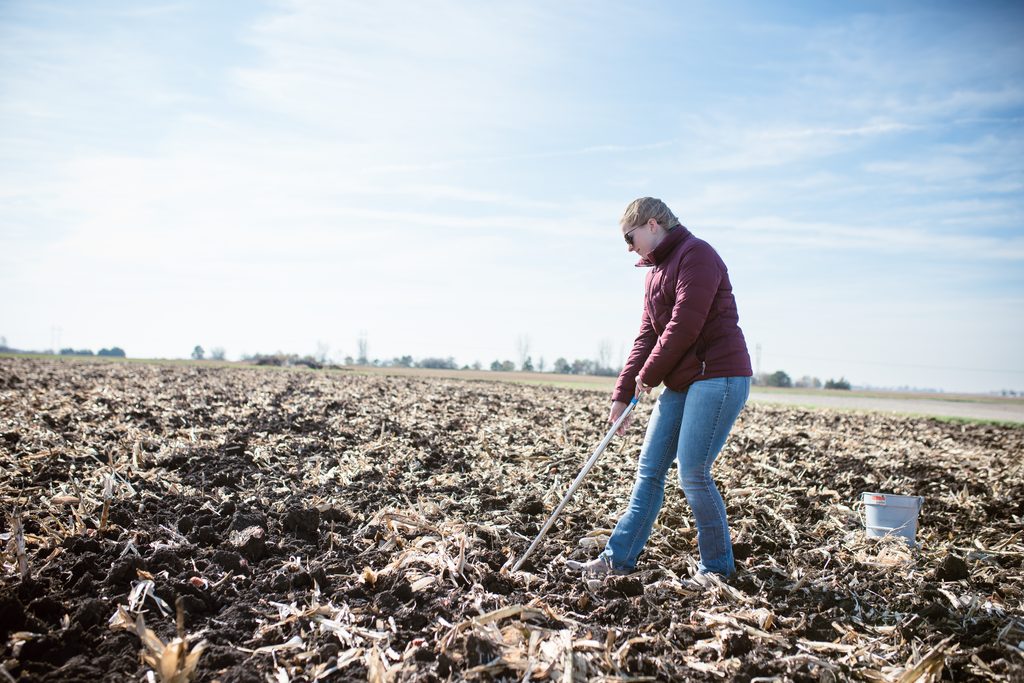
“We cannot afford to repeat the mistakes made with PI 88788,” said Tylka. “By diversifying resistance sources and avoiding overreliance on any one strategy, farmers can reduce risk and protect soybean yields for years to come.”
Schroeder encourages farmers to ask which source of SCN resistance is behind the soybean varieties they use. “Work with your seed provider to identify varieties with appropriate resistance genetics, rotate sources of resistance when possible and continue testing fields to monitor SCN population levels,” he said.
Actively managing SCN can differ depending on where you farm. As you make 2027 seed decisions, find state-specific recommendations from your state soybean experts and work with your seed provider to build an SCN management plan that fits your fields.